
-429a29e90b37.webp) Counter Strike 2
Counter Strike 2Common CS2 Beginner Mistakes (And How to Fix Them)
Counter Strike 2 is one of the most rewarding competitive shooters to learn, but it also has one of the steepest learning curves. New players often focus entirely on improving their aim, believing that faster reactions alone will lead to more victories. While mechanical skill is important, experienced players know that many matches are won through better decision making, positioning, communication, and teamwork.
Almost every beginner makes the same mistakes during their first few hundred hours. They reload at the wrong time, peek without utility, ignore the team economy, or constantly change their settings after every bad match. These habits can slow your improvement and make the game feel much harder than it actually is.
The good news is that most of these mistakes are easy to correct once you recognize them. Small improvements in your positioning, movement, and decision making often have a much bigger impact than trying to dramatically increase your aim overnight.
In this guide, we'll cover the most common mistakes new Counter Strike 2 players make and explain practical ways to fix them so you can become a more reliable teammate and win more matches.
Mistake #1: Looking at the Ground
One of the easiest ways to identify a beginner is by watching where they aim while moving around the map.
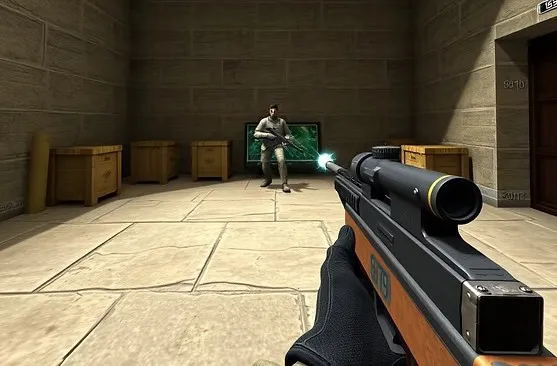
Many new players keep their crosshair pointed toward the floor until they see an enemy. This forces them to make large mouse movements before firing, giving opponents valuable extra time to react.
How to Fix It
Always keep your crosshair at head level.
As you move through the map, imagine where an enemy's head is likely to appear and keep your aim there.
Good crosshair placement reduces the distance your mouse needs to travel and makes winning duels much easier.
Mistake #2: Reloading After Every Kill
Many players automatically reload immediately after getting a kill.
While this habit feels natural, it often leaves you defenseless if another enemy appears.
Remember that opponents frequently trade kills in CS2.
How to Fix It
Instead of reloading immediately:
Check for additional enemies.
Move to cover.
Reload only when it's safe.
Sometimes having 12 bullets is much better than having no weapon ready.
Mistake #3: Buying Every Round
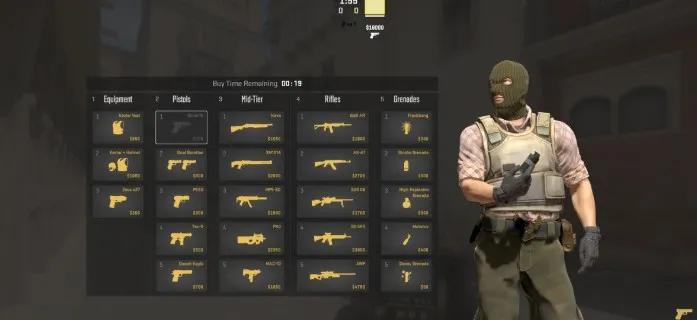
One of the biggest beginner mistakes is spending every dollar after every lost round.
This usually creates weak buys and poor team economy.
How to Fix It
Learn the difference between:
Full Buy
Force Buy
Half Buy
Eco Round
Coordinate purchases with your teammates instead of buying individually.
A synchronized team is almost always stronger.
Mistake #4: Running While Shooting
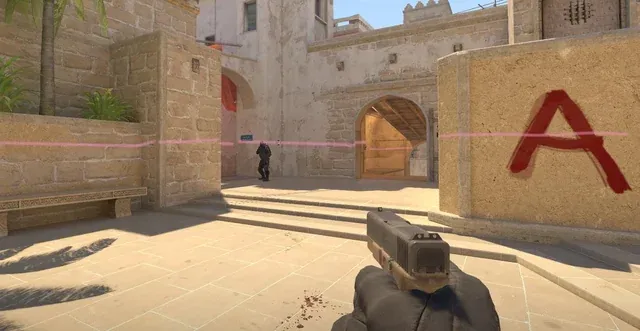
Counter Strike rewards accuracy, not movement.
Running while firing makes most weapons extremely inaccurate.
Many beginners lose fights simply because they never stop moving before shooting.
How to Fix It
Before firing:
Stop moving.
Counter strafe.
Fire accurate shots.
Move again after shooting.
Learning this simple habit dramatically improves accuracy.
Mistake #5: Ignoring Utility
Many players save money by skipping grenades.
Unfortunately, this makes attacking and defending much harder.
Smokes, flashes, HE grenades, and Molotovs create opportunities that rifles alone cannot.
How to Fix It
Whenever possible:
Buy utility.
Learn basic grenade lineups.
Use flashes before peeking.
Smoke dangerous sightlines.
Utility wins rounds every day in competitive Counter Strike.
Mistake #6: Peeking the Same Angle Repeatedly
After losing a duel, many beginners immediately peek the exact same angle again.
The enemy is already holding that position and expecting you to reappear, giving them a huge advantage.
How to Fix It
Instead of repeating the same peek:
Change your position.
Ask for a teammate's flash.
Wait a few seconds before peeking again.
Attack from a different angle.
Unpredictable players are much harder to eliminate.
Mistake #7: Playing Alone
Counter Strike 2 is built around teamwork.
Trying to win every round by yourself usually leads to unnecessary deaths and poor trades.
How to Fix It
Stay close enough to teammates that you can:
Trade kills.
Share information.
Execute bombsites together.
Defend bombsites as a unit.
Even professional players rarely isolate themselves without a good reason.
Mistake #8: Giving Away Your Position
Every unnecessary sound gives your opponents valuable information.
Running, jumping, reloading, or switching weapons at the wrong time can reveal your location before you even see the enemy.
How to Fix It
Use sound wisely.
Walk when approaching contested areas and avoid making unnecessary noise if the enemy doesn't already know where you are.
Sometimes staying silent is stronger than firing your weapon.
Mistake #9: Holding Utility Too Long
Many new players finish rounds with all of their grenades still available.
Unused utility provides no value.
How to Fix It
Use grenades with a purpose.
Examples include:
Smoke dangerous sightlines.
Flash teammates into bombsites.
Molotov common hiding spots.
HE Grenade predictable positions.
Good utility creates favorable fights before bullets are fired.
Mistake #10: Chasing Every Kill
Winning the round is always more important than improving your kill count.
Many beginners abandon bombsites or chase opponents unnecessarily.
How to Fix It
Always ask yourself:
"What gives my team the highest chance of winning this round?"
Sometimes defending your position is much stronger than hunting another kill.
Mistake #11: Standing Still After Planting the Bomb
After planting the bomb, inexperienced players often stay on the bombsite waiting for enemies to arrive.
This gives defenders easy opportunities during the retake.
How to Fix It
After planting:
Move into strong post plant positions.
Crossfire with teammates.
Watch different entrances.
Force defenders to clear multiple angles.
Make the enemy come to you.
Mistake #12: Changing Settings Too Often
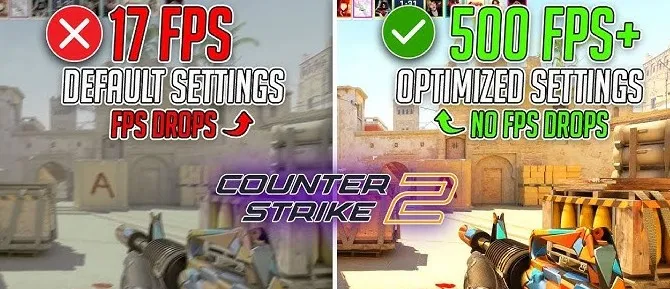
Many players blame their crosshair, sensitivity, or graphics after every bad game.
Constant changes prevent muscle memory from developing.
How to Fix It
Choose comfortable settings and stick with them for several weeks.
Consistency produces better long term improvement than constantly searching for "perfect" settings.
Mistake #13: Ignoring the Radar
The radar provides enormous amounts of information.
Many beginners never look at it.
How to Fix It
Develop the habit of checking your radar every few seconds.
It helps you:
Track teammates.
Predict enemy rotations.
Avoid unnecessary gaps in defense.
Make faster decisions.
The best players constantly gather information from both the radar and voice communication.
Mistake #14: Watching Professional Players Without Learning
Watching esports is entertaining, but copying professional players without understanding why they make certain decisions won't improve your own gameplay.
How to Fix It
When watching experienced players, ask yourself:
Why did they rotate?
Why did they save?
Why did they throw that Smoke?
Why did they hold that angle?
Focus on decision making rather than flashy highlights.
Mistake #15: Expecting Instant Improvement
Counter Strike has a steep learning curve.
Every player loses matches, misses shots, and makes mistakes.
Improvement comes from consistent practice rather than quick fixes.
How to Fix It
Focus on improving one skill at a time.
For example:
Better crosshair placement this week.
Better economy management next week.
Better utility usage after that.
Small improvements compound over time.
Conclusion
Every Counter Strike 2 player starts by making mistakes, but recognizing and correcting those habits is what separates improving players from those who remain stuck. Better crosshair placement, smarter economy decisions, effective utility usage, strong communication, and disciplined positioning all contribute far more to consistent success than raw aim alone. By fixing even a few of these common errors, you'll immediately become a more dependable teammate and give yourself more opportunities to win rounds.
Remember that improvement in CS2 is a long term process. Don't try to eliminate every mistake in a single week. Instead, focus on one habit at a time, practice it until it becomes automatic, and then move on to the next. Over time, these small improvements will build a strong foundation that allows you to perform confidently in Competitive and Premier matches, regardless of your current rank.