
 Valorant
Valorant Economy Guide: Credits, Buying & Eco Rounds Explained 2026
Winning gunfights is important in Valorant, but winning the economy battle often determines who wins the match. Even the most skilled players can struggle if they're constantly forced to fight with weaker weapons against fully equipped opponents. Understanding how Credits work and knowing when to spend or save them is one of the biggest differences between newer players and experienced competitors.
Every round presents an important decision: should your team invest everything into weapons and abilities, save Credits for a stronger future round, or take a calculated risk with a force buy? These choices influence not only your own equipment but also your team's chances of controlling the pace of the game.
Many matches are lost because players buy individually instead of making coordinated decisions. One player may purchase a rifle while teammates are saving, creating an uneven economy that weakens the entire team for several rounds. Strong communication and consistent buying strategies help teams maintain powerful equipment throughout the match.
In this guide, you'll learn how Valorant's economy works, what the different buy rounds mean, how to manage Credits efficiently, and how to make smarter purchasing decisions that increase your chances of winning.
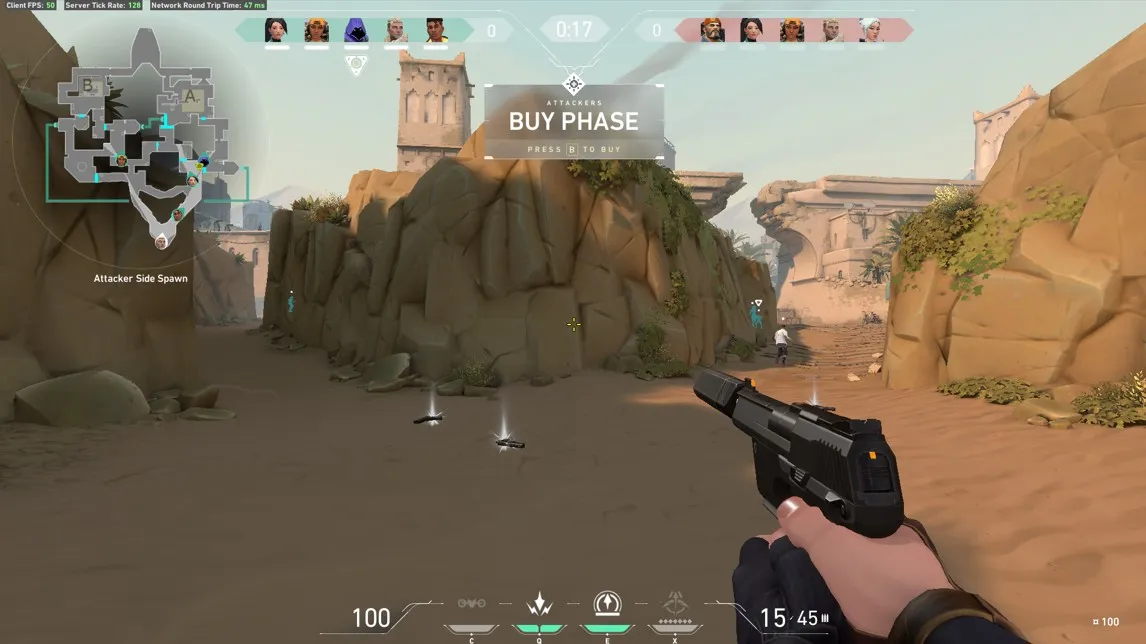
What Are Credits?
Credits are Valorant's in game currency.
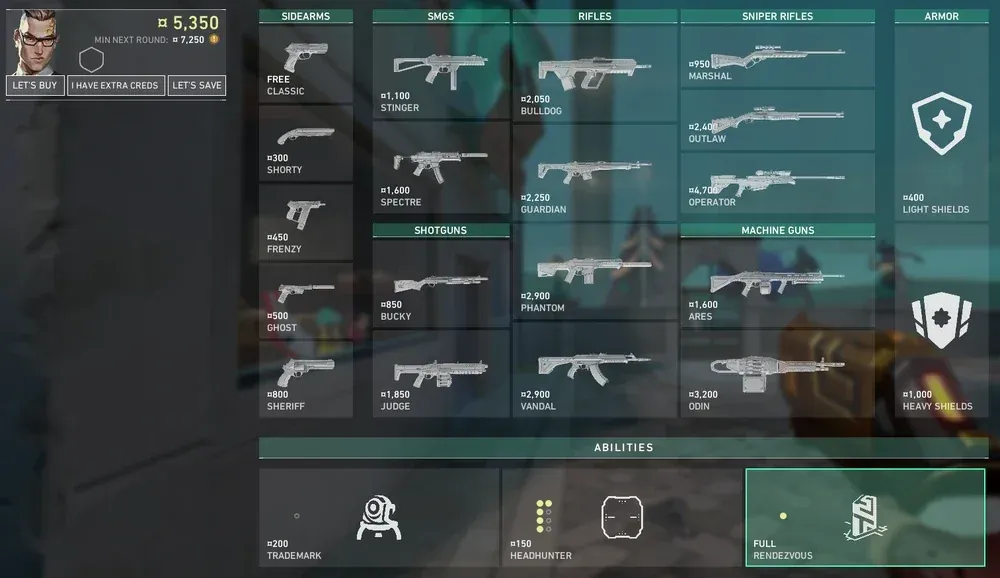
They allow you to purchase:
Weapons
Shields
Agent abilities
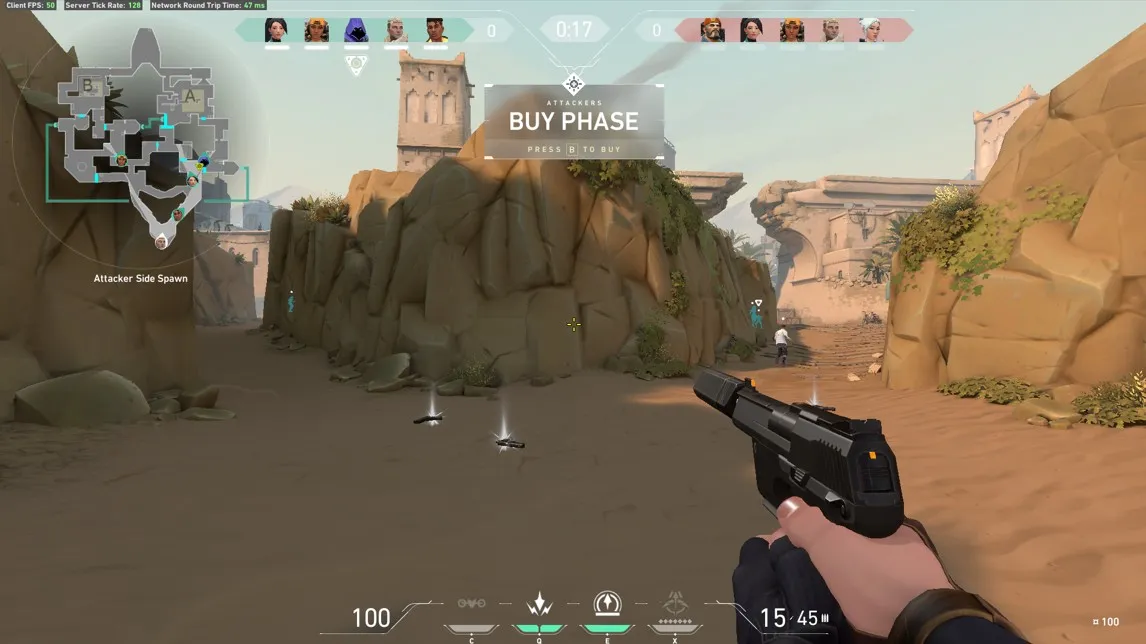
Every round begins with an opportunity to spend your available Credits before the action starts.
Managing them wisely is just as important as having good aim.
How Do You Earn Credits?
Players earn Credits in several ways throughout a match.
The most common sources include:
Winning rounds.
Losing rounds.
Planting the Spike.
Eliminating enemies.
Saving weapons between rounds.
Because Credits come from multiple sources, even losing teams have opportunities to rebuild their economy through smart decisions.
Why Economy Matters
The economy affects every round.
Teams with stronger equipment usually have:
Better rifles.
Full armor.
Complete ability kits.
Greater flexibility during fights.
Meanwhile, teams with poor economies may be forced to fight with pistols or SMGs against rifles, creating a significant disadvantage.
Good economy management helps reduce these situations and gives your team more opportunities to compete on equal footing.
Understanding the Different Buy Rounds
Valorant players commonly describe rounds using specific economy terms.
Learning these terms makes communication much easier.
Full Buy
A Full Buy means purchasing your strongest available equipment.
Typically this includes:
A rifle.
Heavy Shields.
Essential abilities.
Teams usually Full Buy when everyone has enough Credits to compete effectively.

Eco Round
An Eco Round is a deliberate decision to spend very little.
Players often purchase:
Basic pistols.
Minimal abilities.
No shields or Light Shields only.
The goal is to save enough Credits for a powerful Full Buy in the following round.
Although Eco Rounds are difficult to win, stealing one can dramatically shift the momentum of the match.
Force Buy
A Force Buy involves spending nearly all available Credits even though the team cannot afford a complete loadout.
This strategy is often used when:
Losing another round would be extremely costly.
The score is approaching match point.
The opposing team's economy is weak enough to punish.
Force Buying carries higher risk but can also create game changing momentum if successful.
Half Buy
A Half Buy sits between an Eco Round and a Full Buy.
Players spend enough Credits to remain competitive while still preserving part of their economy.
Typical purchases may include:
SMGs
Shotguns
Light Shields
Limited abilities
Half Buys offer flexibility while preparing for stronger rounds later.
Bonus Round
Bonus Rounds usually occur after winning an early round with cheaper weapons.
Instead of immediately upgrading, teams continue using those weapons while preserving Credits.
If they win again, their economy becomes extremely strong.
If they lose, they still have enough money for a Full Buy in the following round.
Should Your Team Buy Together?
One of the biggest mistakes newer players make is buying individually.
Imagine this situation:
Two teammates have rifles.
Two have pistols.
One has an SMG.
Even if each purchase makes sense individually, the team's overall strength becomes inconsistent.
Whenever possible, coordinate purchases so everyone enters the round with similar equipment.
A balanced team is usually much stronger than a collection of random buys.
Economy Tips for Attackers
Managing your Credits as an attacking team requires planning ahead rather than focusing only on the current round.
A strong attacking economy gives your team more opportunities to pressure bomb sites and trade effectively.
Prioritize Team Purchases
Whenever possible, make sure everyone buys together.
Five rifles are almost always stronger than three rifles and two pistols.
Don't Overspend After Winning
Winning a round doesn't always mean you should buy the most expensive weapon available.
If your current equipment is still effective, keeping it for another round can strengthen your economy later in the match.
Coordinate Utility Purchases
Abilities are just as important as weapons.
Buying a rifle without enough utility can make executing a site much more difficult.
Try to balance:
Primary weapon
Armor
Essential abilities
Economy Tips for Defenders
Defenders often have slightly different priorities.
Because attackers must enter your territory, strong defensive positioning can compensate for cheaper weapons.
When defending:
Avoid unnecessary weapon upgrades.
Save expensive rifles if the round is clearly lost.
Play together during Eco rounds.
Force attackers to spend utility.
Even inexpensive weapons can be dangerous when defenders control close angles.
When Should You Save Your Weapon?
Saving is one of the smartest economy decisions in Valorant.
If winning the current round is extremely unlikely, surviving with your weapon may provide greater value than attempting an impossible retake.
Consider saving when:
You're heavily outnumbered.
There isn't enough time to defuse or plant.
Your weapon is significantly more valuable than your opponent's.
Preserving your economy benefits the next round.
However, avoid saving every difficult situation.
Sometimes attempting a retake is still worthwhile if your team has a realistic chance of winning.
Managing Your Economy Throughout the Match
Your buying strategy should evolve as the game progresses.
Early Game
The opening rounds often determine the pace of the first half.
Focus on:
Building team economy.
Coordinating purchases.
Avoiding unnecessary Force Buys.
Mid Game
During the middle rounds, economies begin to fluctuate.
Pay attention to:
Enemy Credits.
Your teammates' money.
Upcoming bonus rounds.
Whether both teams can Full Buy.
Understanding your opponent's economy can help predict the weapons they'll likely use.
Late Game
Near the end of a half or when approaching match point, economy becomes less predictable.
Saving Credits for future rounds may no longer matter if there aren't many rounds left.
At this stage:
Force Buys become more common.
Teams take greater risks.
Winning the immediate round becomes the highest priority.
Common Economy Mistakes
Many players lose rounds before they even begin because of poor buying decisions.
Buying Alone
One player purchasing a rifle while everyone else saves creates an uneven team economy.
Coordinate purchases whenever possible.
Ignoring Your Teammates' Credits
Always check the scoreboard before buying.
If most teammates are saving, consider saving as well.
Forgetting to Buy Abilities
Some players spend every Credit on weapons and armor while forgetting essential abilities.
Utility often decides rounds just as much as gunplay.
Force Buying Too Often
Constant Force Buys prevent your team from building a stable economy.
Sometimes accepting one weaker Eco Round leads to several stronger rounds afterward.
Selling Your Team's Economy
Buying expensive weapons immediately after a teammate requests a save can hurt the entire team's financial situation.
Communication is key.
Conclusion
Mastering Valorant's economy is just as important as developing strong aim or learning agent abilities. Smart purchasing decisions ensure your team enters more rounds with competitive equipment, giving you a better chance to control engagements and maintain momentum throughout the match. Whether you're choosing to Full Buy, save during an Eco Round, or take a calculated risk with a Force Buy, every economic decision can influence the outcome of future rounds.
The best teams think beyond the current round and manage their Credits with the bigger picture in mind. By coordinating purchases with teammates, balancing weapons and utility, and understanding when to save or spend, you'll build stronger habits that translate directly into more consistent victories. As your game sense improves, effective economy management will become one of the key skills that separates you from less experienced Valorant players.