
 Valorant
Valorant Agent Roles Explained: Duelists, Initiators, Controllers & Sentinels
Choosing the right agent is one of the most important decisions you'll make in Valorant. While every agent has unique abilities, Riot Games groups them into four distinct roles: Duelists, Initiators, Controllers, and Sentinels. Each role serves a different purpose during a match and contributes to the team's success in its own way.
Many new players choose agents based on appearance or flashy abilities, but understanding each role will help you make smarter choices. A balanced team usually performs much better than five players selecting similar agents. Knowing what your role is expected to accomplish also improves communication and teamwork, especially in Competitive mode.
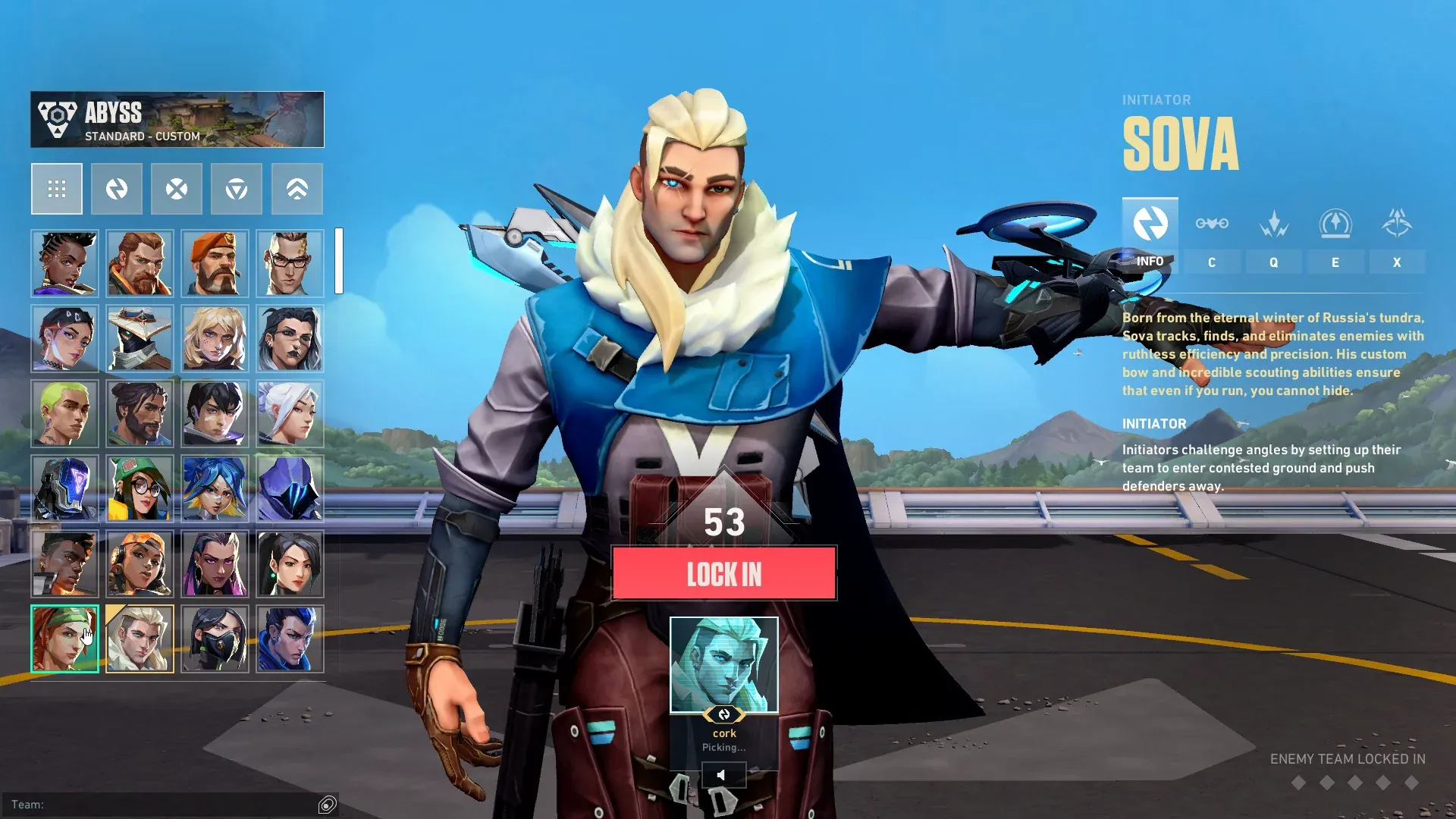
Although every role can secure eliminations, their primary responsibilities differ significantly. Duelists focus on creating space through aggressive plays, Controllers shape the battlefield with vision blocking utility, Initiators gather information and help teammates enter contested areas, while Sentinels defend sites and protect their team from enemy pushes.
In this guide, we'll explain each Valorant agent role, their strengths and weaknesses, and help you determine which one best fits your preferred playstyle.
What Are Agent Roles?
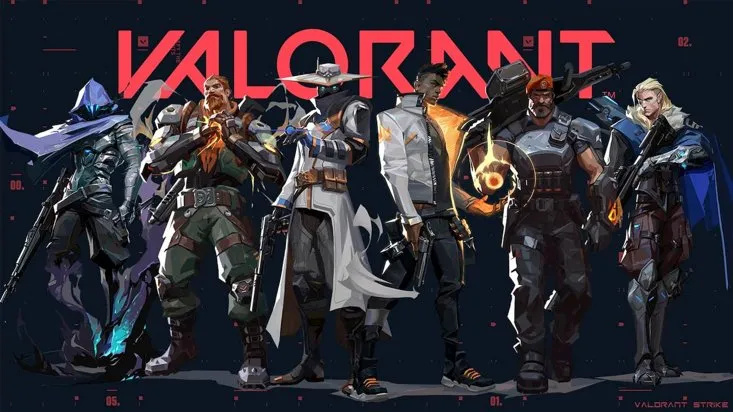
Agent roles are categories that describe how each character contributes to the team.
Instead of focusing only on damage, Valorant emphasizes teamwork through different abilities and responsibilities.
Each role brings unique utility that helps a team attack sites, defend objectives, gather information, or control space.
Understanding these roles helps players:
Build balanced team compositions.
Choose agents that match their playstyle.
Understand teammates' responsibilities.
Improve communication during matches.
Why Team Composition Matters
A balanced team gives you more options during every round.
For example, a team with only Duelists may have strong firepower but struggle to enter sites safely because they lack vision control or utility.
Likewise, a team filled with Controllers and Sentinels may survive longer but lack the aggressive tools needed to create openings.
Although unconventional compositions can succeed, most teams benefit from having a healthy mix of different roles.
Duelists
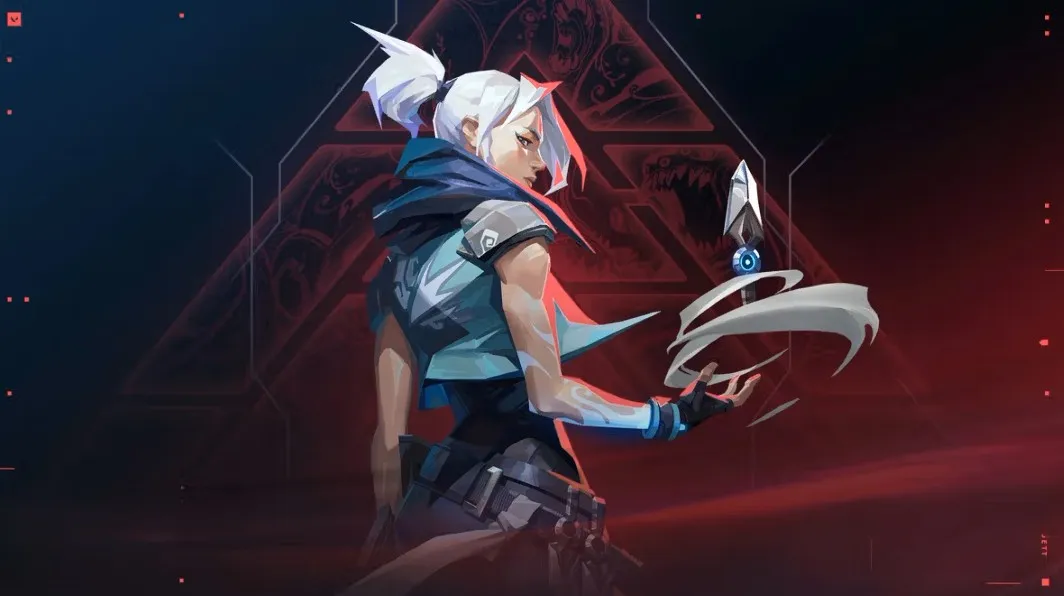
Duelists are the most aggressive role in Valorant.
Their job is to create space for the team by taking fights first and forcing defenders away from important positions.
Many Duelists have abilities that help them enter bomb sites quickly or escape dangerous situations after securing eliminations.
Main Responsibilities
Enter sites first.
Win opening duels.
Create space.
Pressure defenders.
Secure entry kills.
Because Duelists often lead attacks, they usually face the greatest risk during engagements.
Strengths
Excellent mobility.
High fragging potential.
Strong self sufficiency.
Great for aggressive players.
Can quickly change the momentum of a round.
Weaknesses
Often rely on mechanical skill.
Can struggle without teammate support.
Mistakes are heavily punished.
Initiators
Initiators help the team safely enter contested areas.
Instead of rushing forward themselves, they gather information, clear dangerous angles, and disrupt defenders using utility.
Their abilities often reveal enemy positions or force opponents out of cover, making it easier for Duelists to push.
Main Responsibilities
Gather information.
Flash teammates into sites.
Clear corners safely.
Support entries.
Create opportunities for teammates.
Strengths
Excellent utility.
Strong teamwork potential.
Valuable information gathering.
Effective on both attack and defense.
Weaknesses
Require good communication.
Utility timing is important.
Less effective without coordinated teammates.
Controllers
Controllers specialize in manipulating the battlefield.
Using smokes and other vision blocking abilities, they limit enemy sightlines and make it safer for teammates to execute strategies.
A skilled Controller can completely change how a round is played by denying information and controlling key areas of the map.
Main Responsibilities
Block vision.
Control choke points.
Support site executions.
Delay enemy pushes.
Protect teammates during rotations.
Strengths
Excellent map control.
Strong defensive utility.
Useful in every round.
Flexible positioning.
Weaknesses
Mistimed utility can hurt the team.
Often require strong game sense.
Usually have lower fragging potential than Duelists.
Sentinels
Sentinels are the defensive specialists of Valorant.
Their abilities are designed to slow enemy pushes, protect teammates, and secure bomb sites. While they may not always lead the scoreboard in eliminations, Sentinels often provide the stability that allows a team to succeed.
Many Sentinel abilities remain active even when the player is watching another area, making them excellent at locking down flanks and gathering information.
Main Responsibilities
Defend bomb sites.
Watch flanks.
Delay enemy pushes.
Protect teammates.
Secure post plant situations.
Strengths
Strong defensive utility.
Excellent map control.
Reliable information gathering.
Great for holding objectives.
Valuable in nearly every team composition.
Weaknesses
Less mobility than Duelists.
Often rely on planning ahead.
Utility requires good placement.
Can struggle if caught out of position.
Which Role Is Best for Beginners?
There isn't a single "best" role for every player, but some are easier to learn than others.
Duelists
Great if you enjoy:
Taking fights.
Fast paced gameplay.
High mechanical skill.
However, they also carry the most pressure because they're expected to secure opening kills.
Initiators
Excellent for players who enjoy teamwork.
You'll spend more time creating opportunities for teammates than chasing eliminations yourself.
Controllers
Controllers are rewarding but require strong game sense.
Learning when and where to place smokes takes practice, making this role slightly more challenging for beginners.
Sentinels
One of the most beginner friendly roles.
Sentinels allow new players to:
Learn positioning.
Develop map awareness.
Support teammates.
Play at a slower pace.
Many newer players find this role forgiving while they build confidence.
How to Choose the Right Role
Choosing a role depends on how you enjoy playing shooters.
Ask yourself a few simple questions.
Do you like leading every attack?
You'll probably enjoy Duelists.
Do you like helping teammates enter sites?
Try Initiators.
Do you enjoy controlling the battlefield?
Controllers are likely the best fit.
Do you enjoy defending objectives and protecting teammates?
Sentinels are an excellent choice.
Remember that you aren't locked into one role forever.
Trying different roles helps you understand the game from multiple perspectives and makes you a more complete player.
Can You Play Multiple Roles?
Absolutely.
Many experienced players are comfortable switching between several roles depending on:
Team composition.
Map selection.
Personal preference.
Agent availability.
Having a flexible agent pool makes you more valuable during Competitive matches.
However, if you're still learning the game, mastering one role first is usually the fastest way to improve.
Common Mistakes With Each Role
Every role has common pitfalls that newer players should avoid.
Duelists
Entering sites without teammate support.
Playing too aggressively every round.
Ignoring utility.
Initiators
Using flashes that blind teammates.
Gathering information without sharing it.
Wasting utility before the team is ready.
Controllers
Smoking your own team's line of sight.
Using utility too early.
Leaving important choke points uncovered.
Sentinels
Placing utility in predictable locations every round.
Rotating too early and leaving sites undefended.
Ignoring flank protection.
Learning these mistakes early will help you improve much faster.
Conclusion
Understanding Valorant's four agent roles is one of the first steps toward becoming a smarter and more effective teammate. While Duelists create space through aggressive plays, Initiators provide valuable information and support, Controllers shape the battlefield with utility, and Sentinels secure objectives through strong defensive abilities. Each role contributes differently, and success comes from working together rather than relying on individual performance.
As you gain experience, don't hesitate to experiment with different roles to discover what suits your playstyle best. Learning multiple roles will improve your overall game knowledge, make you more adaptable during agent selection, and help you understand the responsibilities of your teammates. Whether you enjoy leading attacks, supporting allies, controlling the map, or defending objectives, mastering your chosen role will make you a stronger Valorant player.