
 Valorant
15 Common Valorant Mistakes Beginners Make (And How to Fix Them)
If you're new to Valorant, it's completely normal to make mistakes. Every experienced player started as a beginner, and learning from those early errors is one of the fastest ways to improve. While mechanical skill develops over time, many new players struggle because of habits that hold them back without realizing it.
The good news is that most beginner mistakes are easy to fix once you know what to look for. Improving isn't just about landing more headshots it also means making smarter decisions, communicating with your team, managing your economy, and understanding how each round should be played.
Many players spend hours practicing their aim but continue losing games because they ignore positioning, utility usage, or teamwork. Valorant rewards smart decision making just as much as mechanical skill, and building good habits early will help you climb the ranks much faster.
In this guide, we'll cover the most common mistakes beginners make and explain how you can avoid them to become a more confident and consistent player.
1. Running While Shooting
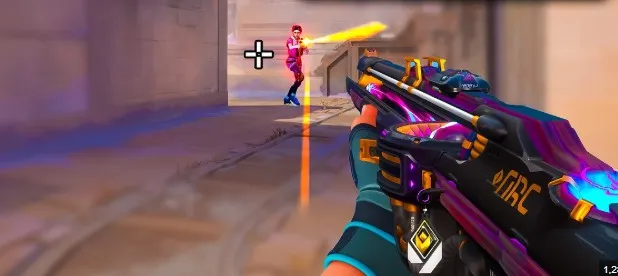
One of the biggest mistakes new players make is firing their weapon while moving.
Unlike some other shooters, Valorant heavily penalizes movement accuracy. Shooting before coming to a complete stop causes your bullets to spread, making even close range fights unreliable.
How to Fix It
Develop the habit of:
Stop moving.
Fire accurately.
Move again.
Mastering this simple rhythm immediately improves your consistency.
2. Poor Crosshair Placement
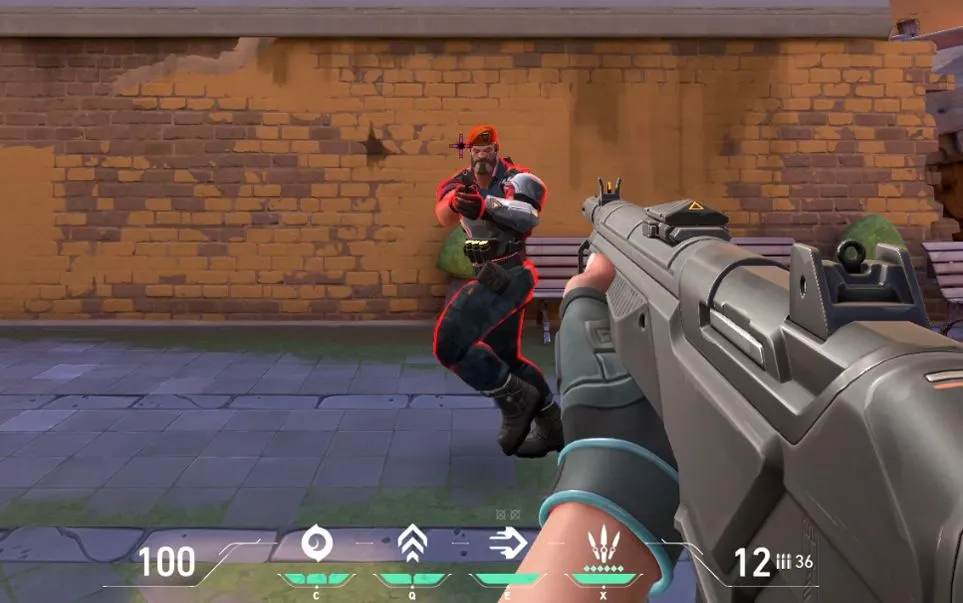
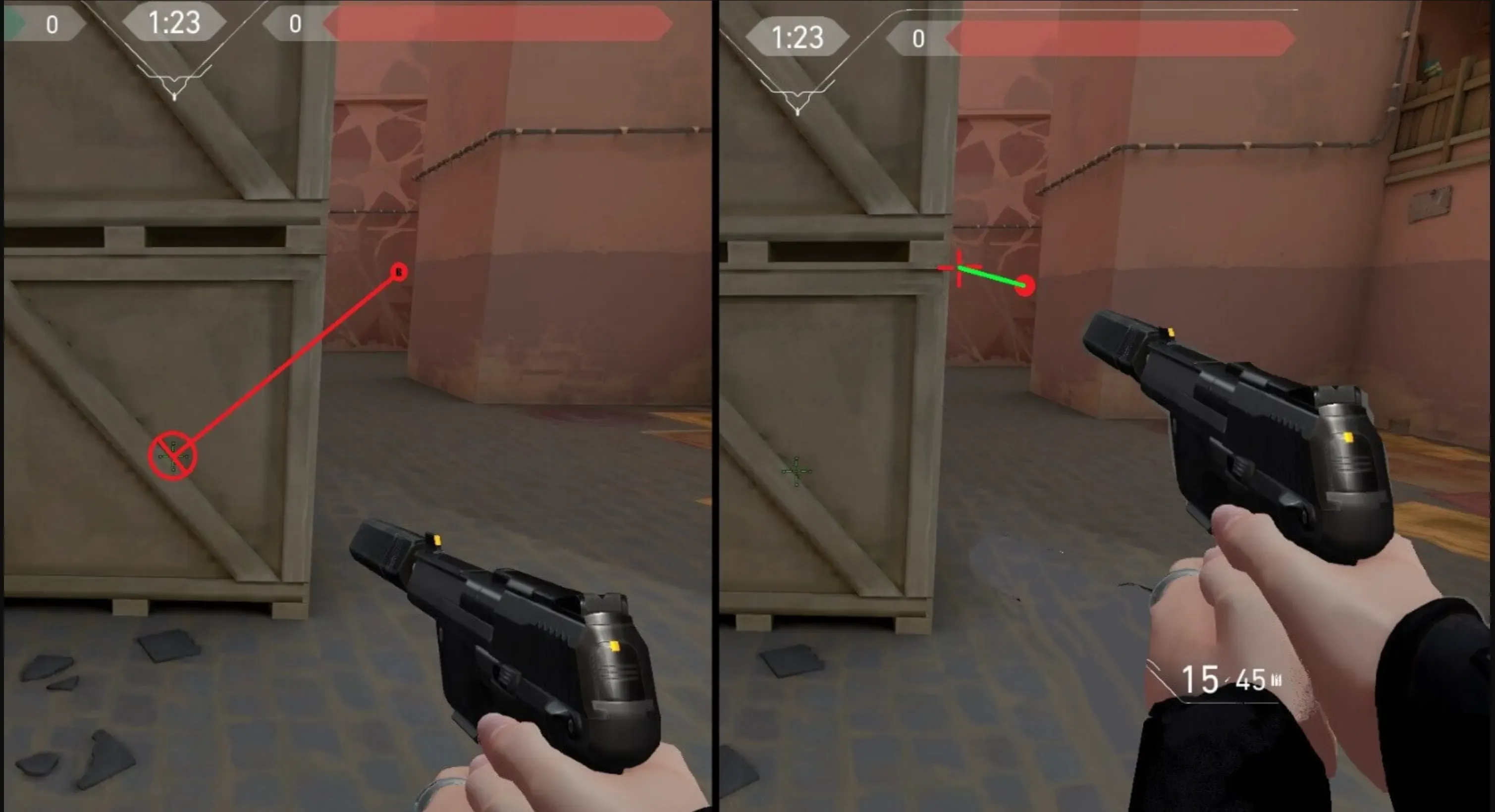
Many beginners keep their crosshair pointed at the ground or walls while moving around the map.
When an enemy suddenly appears, they must flick upward before firing, giving opponents valuable time to react.
How to Fix It
Always keep your crosshair:
At head level.
Near likely enemy positions.
Ready before turning corners.
Good crosshair placement wins more fights than fast flicks.
3. Ignoring Utility
Many players focus only on gunfights while forgetting to use their abilities.
Every agent is designed around utility, and ignoring it removes a huge part of your team's strength.
How to Fix It
Learn when to use your abilities to:
Gather information.
Block vision.
Support teammates.
Delay pushes.
Secure objectives.
Your abilities should create advantages before fights begin.
4. Taking Every Fight
Not every duel is worth taking.
Beginners often peek every angle, chase kills, or fight when they're at a disadvantage.
How to Fix It
Ask yourself:
Do I need to peek?
Can my teammate trade me?
Is this fight worth the risk?
Choosing smarter engagements often leads to better results than constantly seeking kills.
5. Forgetting the Economy
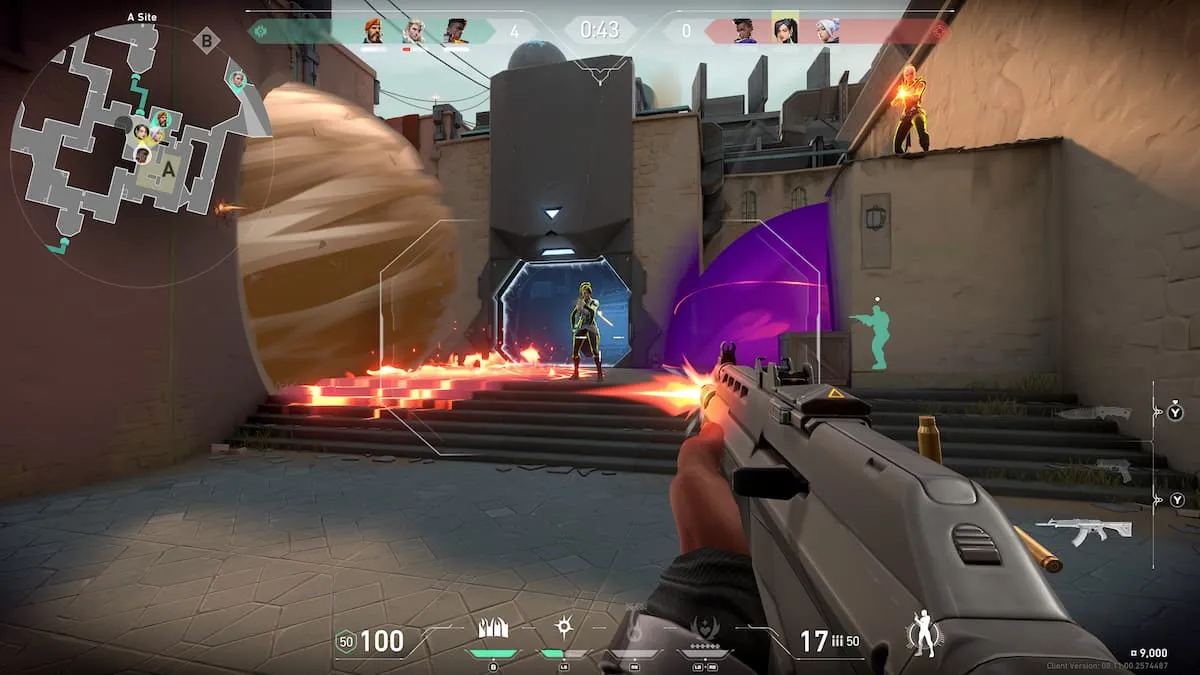
Buying expensive weapons every round is one of the quickest ways to destroy your team's economy.
How to Fix It
Learn when to:
Full Buy.
Eco.
Half Buy.
Force Buy.
Coordinate purchases with your teammates whenever possible.
6. Reloading Too Often
Many new players reload immediately after every kill, even when enemies may still be nearby.
This habit often leaves them defenseless during crucial moments.
How to Fix It
Reload only when:
You're safely behind cover.
The area is secure.
Your magazine is actually running low.
Sometimes a half full magazine is all you need to win the next fight.
7. Standing in the Open
Open positioning gives enemies multiple angles to attack you.
How to Fix It
Whenever possible:
Play near cover.
Peek only one angle at a time.
Have an escape route.
Reposition after getting a kill.
Good positioning reduces the number of difficult gunfights you'll face.
8. Playing Alone
Valorant is a team based tactical shooter.
Trying to carry every round by yourself usually leads to unnecessary deaths.
How to Fix It
Stay close enough to teammates to:
Trade kills.
Share information.
Execute strategies together.
Defend sites as a unit.
Working together consistently beats individual hero plays.
9. Rotating Too Early
Many beginners leave their bomb site as soon as they hear footsteps or see utility on the opposite side of the map.
Experienced teams often fake attacks to force defenders into poor positions.
How to Fix It
Before rotating:
Wait for reliable information.
Listen to teammate callouts.
Watch the minimap.
Avoid abandoning your site too early.
Patience often prevents free site takes.
10. Not Communicating
Even perfect aim can't replace good communication.
Failing to share information leaves teammates guessing about enemy positions.
How to Fix It
Keep your callouts short and useful.
Communicate:
Enemy locations.
Spike position.
Utility used.
Damage dealt.
Rotations.
Simple, accurate information helps your team make better decisions.
11. Crouching Every Gunfight
Many beginners instinctively crouch the moment they start shooting.
While crouching can help control recoil in some situations, doing it every fight makes you predictable and often easier to headshot.
How to Fix It
Use crouching selectively.
Instead:
Practice strafing.
Fire controlled bursts.
Stay mobile during shorter engagements.
Treat crouching as a situational tool rather than a default habit.
12. Chasing Kills
After gaining an advantage, beginners often hunt for more eliminations instead of playing the objective.
This frequently turns winning rounds into unnecessary losses.
How to Fix It
Remember the objective.
Ask yourself:
Do we need another kill?
Can we simply hold positions?
Is protecting the Spike more valuable?
Winning the round is always more important than increasing your kill count.
13. Playing on Autopilot
Repeating the same strategy every round makes you easy to predict.
If you always push the same lane or hold the same angle, opponents will quickly adapt.
How to Fix It
Mix up your gameplay.
Try different:
Positions.
Angles.
Utility timing.
Rotations.
Site approaches.
Being unpredictable forces opponents to constantly adjust.
14. Blaming Teammates Instead of Learning
It's easy to focus on teammates' mistakes after losing a round.
However, doing so slows your own improvement because you ignore areas you can actually control.
How to Fix It
After each match, ask yourself:
What could I have done better?
Did I position correctly?
Did I communicate enough?
Was my utility effective?
Improvement comes from honest self evaluation.
15. Giving Up Too Early
Valorant matches can change quickly.
A team that's behind by several rounds can still come back with good communication, strong economy management, and smart adjustments.
How to Fix It
Stay focused throughout the match.
Even if you're losing:
Keep communicating.
Support teammates.
Play the objective.
Stay positive.
Many games are won through resilience rather than perfect mechanics.
How to Improve Faster
Avoiding mistakes is only part of improving.
Building good habits is equally important.
A simple improvement routine includes:
Warming up before Competitive matches.
Reviewing your mistakes after games.
Practicing crosshair placement daily.
Learning one or two agents well before expanding your pool.
Playing consistently instead of grinding long sessions occasionally.
Steady improvement over time is far more effective than searching for quick fixes.
Conclusion
Every Valorant player starts somewhere, and making mistakes is a natural part of learning the game. The key is recognizing those mistakes early and replacing them with better habits. Whether it's improving your crosshair placement, communicating more effectively, managing your economy, or choosing smarter fights, each small adjustment contributes to becoming a more reliable teammate and a stronger competitor.
Remember that improvement doesn't happen overnight. Focus on correcting one or two habits at a time rather than trying to change everything at once. As these better habits become second nature, you'll notice your confidence, consistency, and overall performance steadily improve, helping you climb the ranks and enjoy the game even more.