
 Minecraft
Minecraft Villager Guide: Trading, Jobs & Best Trades
Villagers are among the most valuable mobs in Minecraft. While they may seem like simple NPCs wandering around villages, they can become the foundation of a successful Survival world. With the right professions and trades, villagers can provide powerful enchanted books, diamond gear, food, building materials, and many other useful resources without requiring constant exploration.
Learning how villagers work is one of the biggest milestones for any Minecraft player. Understanding professions, workstations, breeding mechanics, and trading allows you to build efficient villages and unlock some of the best items in the game. Many experienced players rely almost entirely on villagers for equipment, making them a key part of long term progression.
Trading also offers a renewable source of valuable items. Instead of endlessly mining for enchanted gear or searching structures for rare loot, you can obtain many essentials simply by maintaining a healthy village and leveling up your favorite villagers.
In this guide, you'll learn how villagers work, how to assign professions, how trading functions, the best trades to unlock, and practical tips for building a thriving village.
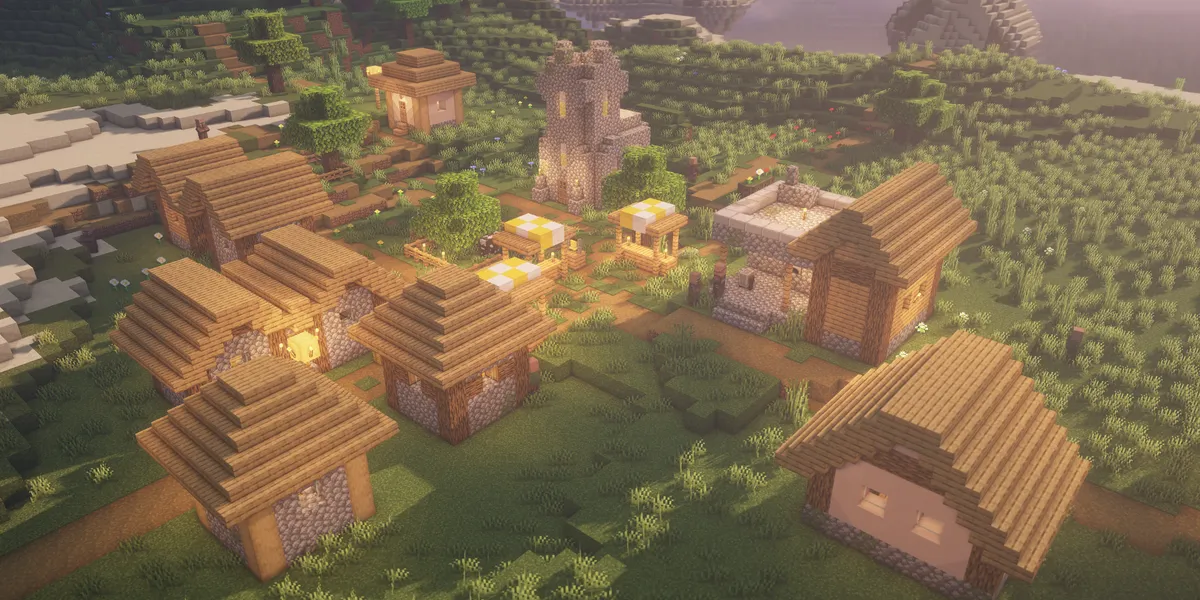
What Are Villagers?
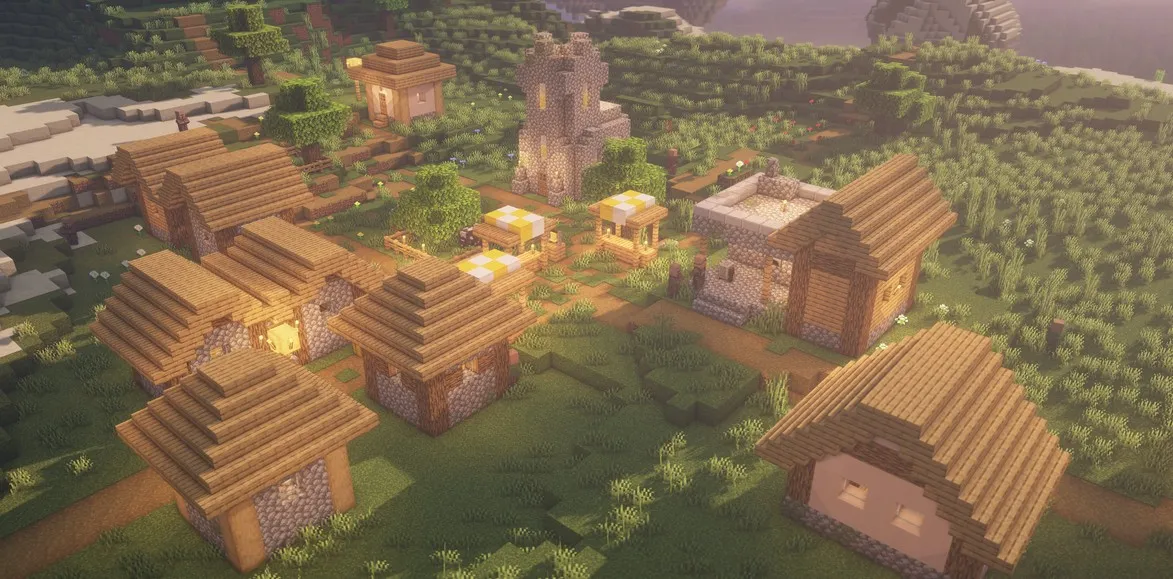
Villagers are passive mobs that naturally generate in villages throughout the Overworld.
Unlike hostile mobs, they don't attack players. Instead, they perform daily routines, work at their assigned job sites, sleep at night, and offer trades based on their profession.
Every villager can become an important source of renewable resources if managed correctly.
How Villager Jobs Work
Most villagers can take on a profession by claiming an available workstation.
Each profession unlocks unique trades and can be leveled up through repeated trading.
Once a villager has been traded with, their profession becomes locked until they are cured from being a zombie villager or replaced.
Choosing the right profession early saves time later.
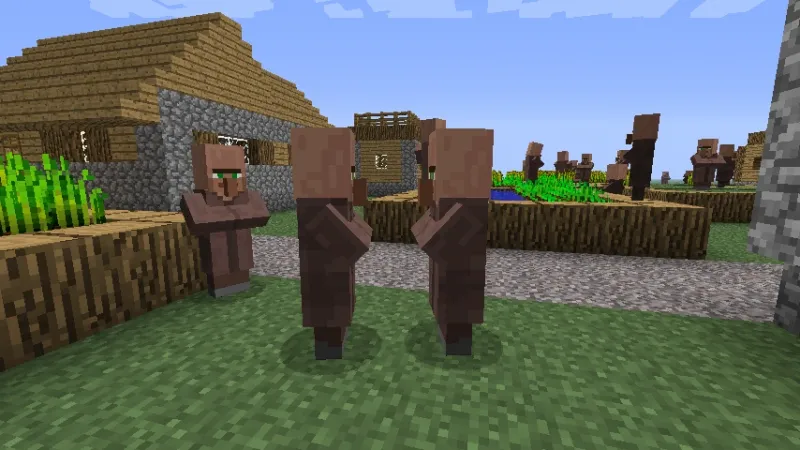
Every Villager Profession
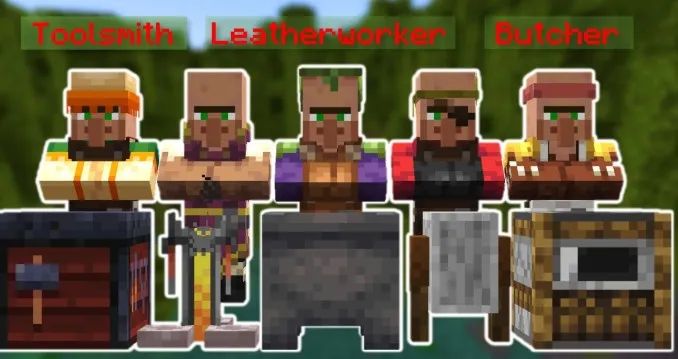
There are many professions in Minecraft, each offering different items and services.
Librarian
Workstation: Lectern
One of the most valuable villagers in the game.
Can trade:
Enchanted Books
Bookshelves
Glass
Lanterns
Name Tags
Librarians are often the first profession players prioritize because they provide access to powerful enchantments like Mending, Unbreaking III, and Efficiency V.
Farmer
Workstation: Composter
Trades include:
Bread
Pumpkins
Melons
Apples
Golden Carrots
Cookies
Farmers are excellent for earning emeralds by selling crops.
Toolsmith
Workstation: Smithing Table
Trades:
Pickaxes
Axes
Shovels
Hoes
Diamond tools
High level Toolsmiths can provide enchanted diamond equipment.
Weaponsmith
Workstation: Grindstone
Trades include:
Swords
Axes
Diamond weapons
Useful for upgrading combat gear without crafting it yourself.
Armorer
Workstation: Blast Furnace
Trades:
Helmets
Chestplates
Leggings
Boots
Shields
Master Armorers can sell enchanted diamond armor.
Fletcher
Workstation: Fletching Table
Trades:
Arrows
Bows
Crossbows
Flint
Tipped Arrows
Fletchers are also one of the easiest villagers for generating emeralds by buying sticks.
Cleric
Workstation: Brewing Stand
Trades:
Redstone Dust
Glowstone
Ender Pearls
Bottle o' Enchanting
Very useful later in Survival progression.
Cartographer
Workstation: Cartography Table
Offers:
Maps
Ocean Explorer Maps
Woodland Mansion Maps
Banners
Excellent for locating rare structures.
Other Professions
Additional jobs include:
Mason
Butcher
Leatherworker
Shepherd
Fisherman
While these professions have useful trades, they are generally less essential than Librarians, Armorers, Toolsmiths, and Farmers.
Best Villager Trades
Not every trade is equally valuable.
These are widely considered some of the best trades available:
Mending Books
Unbreaking III
Efficiency V
Silk Touch
Fortune III
Golden Carrots
Diamond Armor
Diamond Tools
Ender Pearls
Glass Blocks
Lanterns
Name Tags
Prioritizing these trades can save countless hours of resource gathering.
How Trading Works
Trading uses emeralds as the primary currency.
Each successful trade grants experience to both the player and the villager.
As villagers gain experience, they unlock higher trade tiers:
Novice
Apprentice
Journeyman
Expert
Master
Higher levels provide access to more valuable items, including enchanted equipment and rare resources.
How to Breed Villagers
Breeding villagers is essential if you want to expand your village or build a large trading hall.
Fortunately, the process is simple once you understand the requirements.
Villagers will breed when they have:
Enough beds
Enough food
Available space for a baby villager
Common food items include:
Bread
Carrots
Potatoes
Beetroots
For example, giving two villagers plenty of bread and placing extra beds nearby will usually trigger breeding after a short time.
Building an automatic crop farm with Farmer villagers is one of the easiest ways to keep your village growing naturally.
Curing Zombie Villagers
One of the most valuable mechanics in Minecraft is curing zombie villagers.
When a villager becomes a zombie villager, you can restore them by using:
Splash Potion of Weakness
Golden Apple
After several minutes, the villager will return to normal.
Why Cure Zombie Villagers?
Cured villagers offer major benefits:
Lower trade prices
Better long term value
Easier access to expensive enchanted books
More affordable diamond gear
Many experienced players intentionally cure important villagers, especially Librarians and Armorers, to reduce the cost of their best trades.
Understanding Villager Reputation
Villagers remember how players interact with them.
Positive actions improve your reputation, while negative actions reduce it.
Actions That Improve Reputation
Trading frequently
Defending the village during raids
Curing zombie villagers
Actions That Hurt Reputation
Attacking villagers
Killing villagers
Starting fights with Iron Golems
A good reputation can lower prices and make trading much more efficient.
Building a Trading Hall
A trading hall keeps your villagers organized and makes finding specific trades much easier.
Most players eventually move important villagers into dedicated workstations instead of leaving them in a natural village.
A simple trading hall should include:
One workstation per villager
One bed per villager
Proper lighting
Safe protection from zombies
Easy access for trading
Many players group villagers by profession, making it easier to locate Librarians, Farmers, Armorers, and Toolsmiths.
Best Villagers to Prioritize
If you're just starting your trading hall, focus on these professions first.
Librarian
Priority: ⭐⭐⭐⭐⭐
Best for:
Mending
Silk Touch
Fortune III
Unbreaking III
Efficiency V
Arguably the strongest villager profession in Minecraft.
Farmer
Priority: ⭐⭐⭐⭐⭐
Best for:
Emerald farming
Food production
Golden Carrots
Farmers provide one of the easiest renewable sources of emeralds.
Armorer
Priority: ⭐⭐⭐⭐☆
Perfect for obtaining enchanted diamond armor without mining large amounts of diamonds.
Toolsmith
Priority: ⭐⭐⭐⭐☆
Provides enchanted diamond tools that can save significant crafting resources.
Fletcher
Priority: ⭐⭐⭐⭐☆
Excellent for early game emerald farming by purchasing sticks, making them especially useful if you have access to large amounts of wood.
Common Villager Mistakes
Many new players struggle with villagers because of a few avoidable mistakes.
Breaking Workstations Too Early
If you haven't traded with a villager yet, you can remove and replace their workstation to reroll their trades.
However, once you've completed a trade, their profession and available trades become permanently locked.
Always check for desirable trades before making your first trade.
Ignoring Librarians
Some players spread their effort across every profession.
In reality, Librarians often provide the highest long term value because enchanted books can upgrade nearly every tool, weapon, and piece of armor.
Leaving Villagers Unprotected
Zombie attacks can wipe out an entire village.
Protect villagers with:
Fences
Walls
Torches
Iron Golems
Well lit buildings
Keeping villagers safe protects the time you've invested in leveling their trades.
Forgetting to Restock Trades
Villagers don't offer unlimited trades.
They must access their workstation during the day to restock.
If a villager can't reach their workstation, they won't replenish their inventory.
Building a Disorganized Trading Hall
Without organization, finding a specific villager becomes frustrating.
Label sections or group villagers by profession so you can quickly locate the trade you need.
Conclusion
Villagers are far more than passive NPCs they're one of the most powerful resources available in Minecraft. By learning how professions, workstations, trading, breeding, and reputation work together, you can create a thriving village that supplies everything from enchanted books and diamond equipment to food and valuable resources. A well designed trading hall can save countless hours of mining, enchanting, and exploration, making long term Survival worlds much more efficient.
Whether you're setting up your first Librarian or building a large trading hall with dozens of professions, investing time in villagers is one of the smartest decisions you can make. Focus on securing high value trades, protect your villagers from danger, and expand your village through breeding to create a reliable economy that supports every stage of your Minecraft adventure.