
 Minecraft
Minecraft Ore Guide: Where to Find Every Ore
Mining is one of the core activities in Minecraft and the foundation of every successful Survival world. Nearly every important item in the game from iron tools and diamond armor to Redstone contraptions and Netherite upgrades starts with gathering valuable ores. Understanding where each ore generates and how to mine efficiently can save countless hours of exploration while helping you progress much faster.
Modern versions of Minecraft feature a much more complex ore distribution system than earlier releases. Different ores generate at different heights, and some appear much more frequently in specific biomes or dimensions. Simply digging at a random level is no longer the most effective strategy. Instead, knowing the best Y levels and generation patterns allows you to maximize your chances of finding exactly what you need.
Some ores, such as Coal and Iron, are common and easy to obtain early in the game, while others like Emeralds and Ancient Debris require exploring specific environments and using specialized mining techniques. Learning these differences will help you gather resources more efficiently and avoid wasting valuable tools and time.
In this guide, we'll explain every major ore in Minecraft, where it generates, what it's used for, and practical mining tips that will improve your resource gathering throughout your Survival adventure.
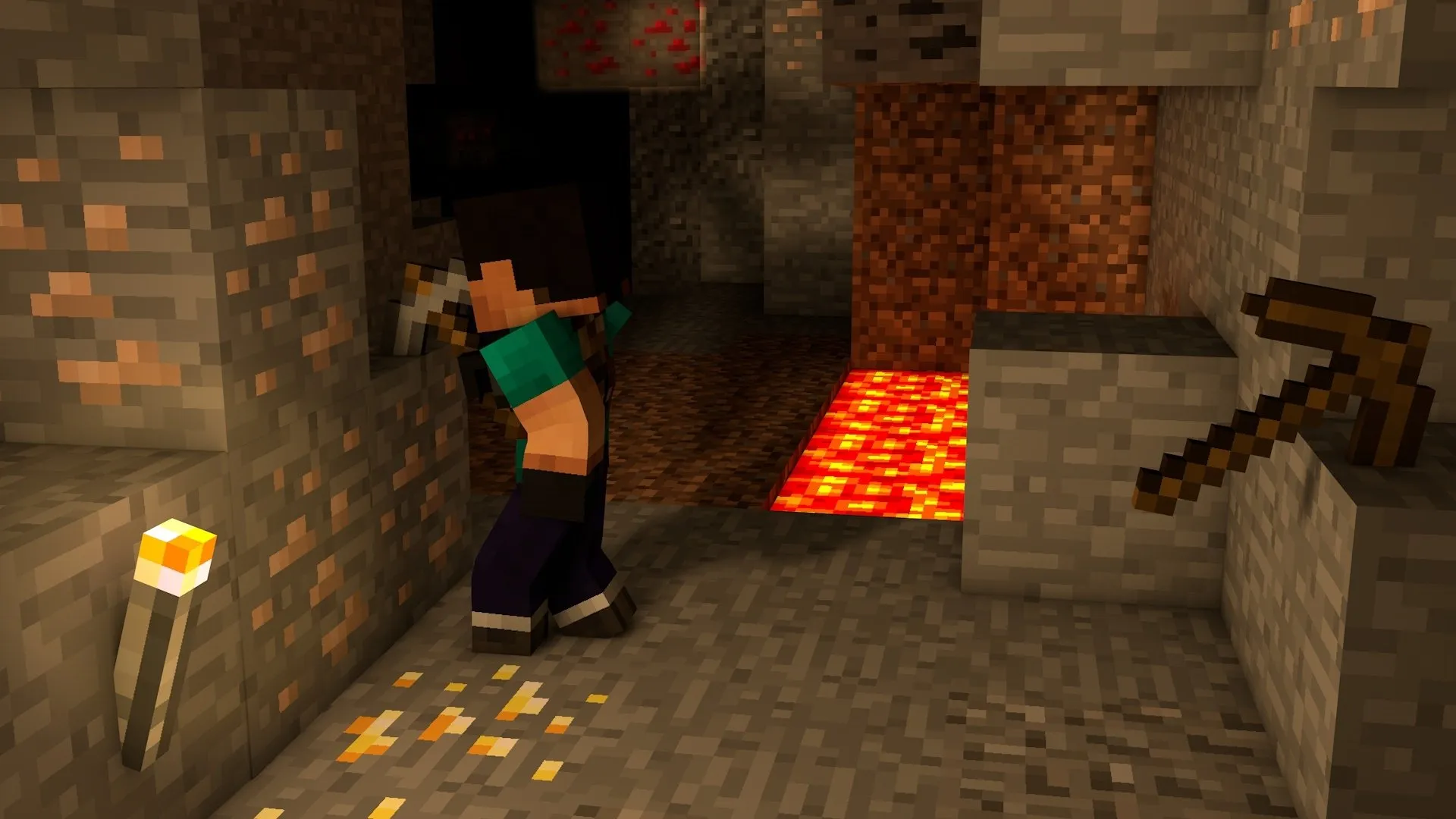
Understanding Ore Generation
Every ore follows its own generation rules.
Some ores appear almost everywhere, while others only generate in specific biomes, dimensions, or height ranges.
Before starting a mining expedition, it's helpful to know:
The best Y level for the ore.
Which pickaxe is required.
Whether Fortune can increase drops.
The ore's primary uses.
Mining with the right strategy is far more efficient than digging randomly.
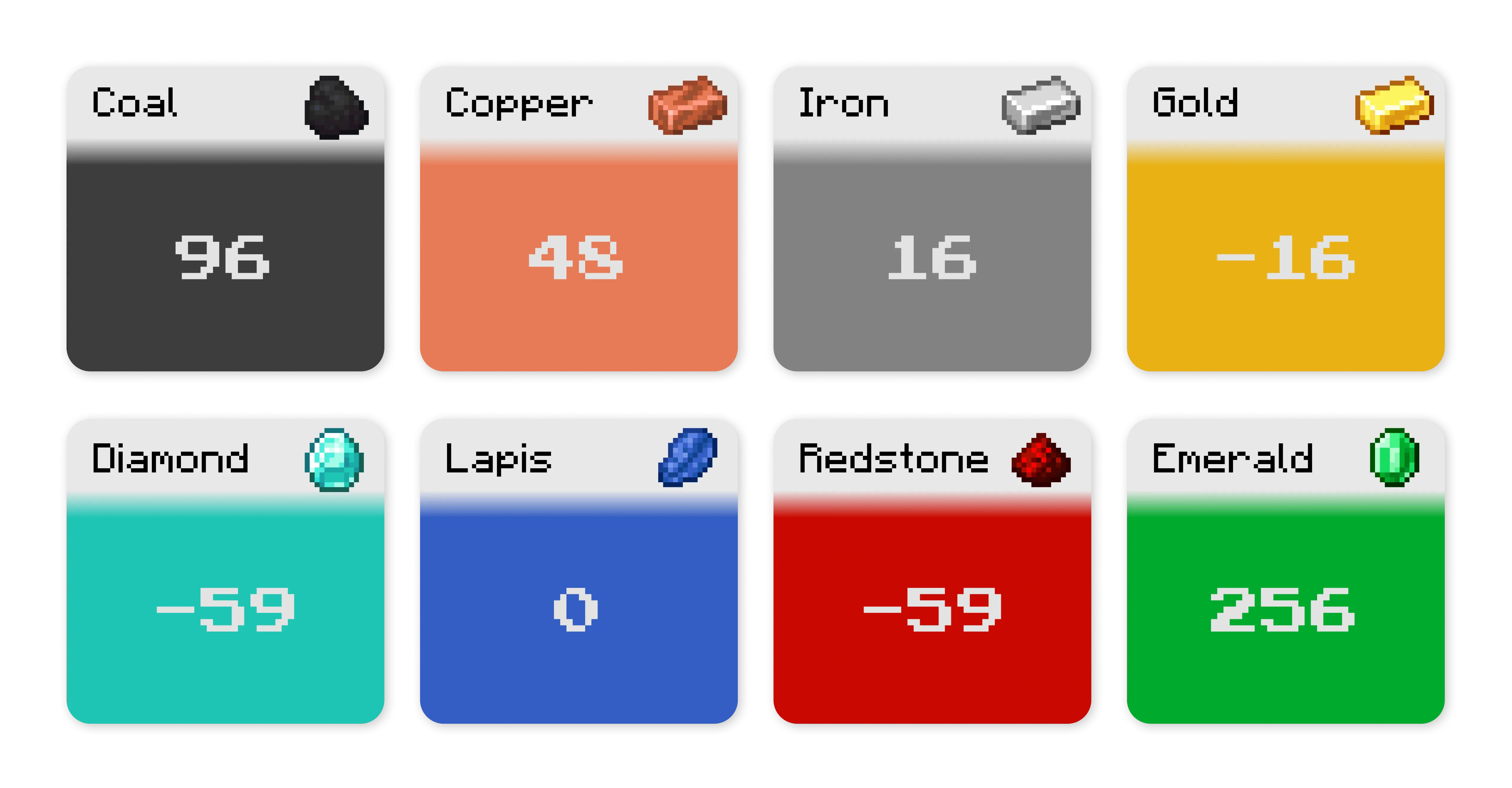
Coal Ore
Coal is usually the first ore players encounter.
It's essential during the early game because it provides fuel for furnaces and materials for torches.
Best Uses
Torches
Furnace fuel
Campfires
Soul Torches
Best Location
Coal commonly generates in mountains and high elevations, although it can also be found underground throughout much of the Overworld.
Because coal is abundant, most players collect it naturally while exploring caves.
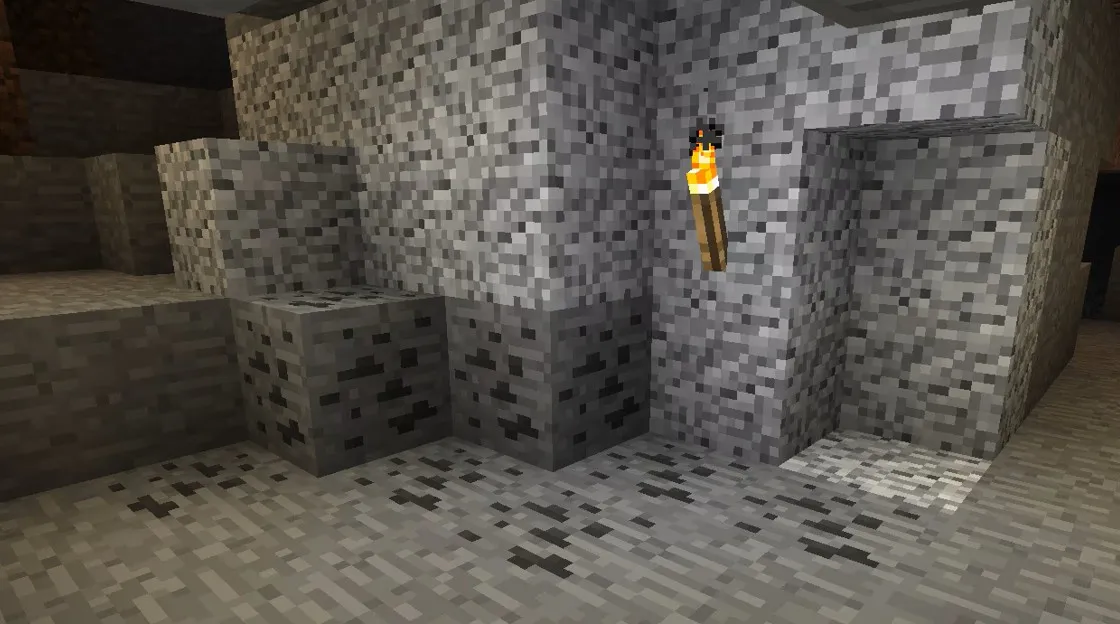
Iron Ore
Iron is arguably the most important resource in Minecraft.
Almost every Survival world depends on iron for progression.
Uses
Iron Tools
Armor
Buckets
Shields
Minecarts
Hoppers
Anvils
Best Location
Iron is commonly found in caves and mountainous terrain.
Higher elevations often contain larger iron ore veins.
Collecting plenty of iron early makes future exploration significantly easier.
Copper Ore
Copper was introduced as a decorative and crafting material.
Although it isn't used for tools or armor, it has several unique purposes.
Uses
Lightning Rods
Spyglasses
Decorative building blocks
Oxidized building designs
Copper is relatively common and often appears alongside iron while mining.
Gold Ore
Gold becomes much more valuable later in the game.
It's required for several important recipes and interactions.
Uses
Golden Apples
Powered Rails
Clocks
Piglin Bartering
Nether related crafting
Gold generates in both the Overworld and the Nether, making it fairly easy to obtain once you've progressed beyond the early game.
Redstone Ore
Redstone powers nearly every automated system in Minecraft.
Players interested in farms, hidden doors, or advanced machinery will eventually need large amounts of it.
Uses
Redstone Dust
Pistons
Repeaters
Comparators
Observers
Automatic Farms
Redstone becomes increasingly common as you mine deeper underground.
Even if you're not interested in automation yet, it's worth collecting for future projects.
Lapis Lazuli Ore
Lapis Lazuli is primarily associated with enchanting.
Without it, players cannot enchant equipment at an Enchanting Table.
Uses
Enchanting
Blue Dye
Decorative Blocks
Fortunately, only a moderate supply is needed for most Survival worlds.
Diamond Ore
Diamond is one of the most iconic resources in Minecraft. Although it is no longer the strongest material after the introduction of Netherite, diamonds remain essential for crafting powerful tools, armor, and enchanting equipment.
Because diamonds are relatively rare, finding them efficiently can significantly speed up your progression.
Best Uses
Diamond Armor
Diamond Tools
Enchanting Table
Jukebox
Smithing Templates
Crafting Netherite Gear
Best Location
Diamonds generate deep underground.
The best results are usually found in the deepest parts of the Overworld, especially while exploring large cave systems or using efficient branch mining techniques.
Always carry plenty of torches, food, and an iron or diamond pickaxe before searching for diamonds.
Emerald Ore
Emeralds are unique because they naturally generate almost exclusively in mountain biomes.
Unlike other ores, they aren't primarily intended for crafting.
Instead, emeralds act as Minecraft's main trading currency.
Uses
Villager Trading
Decorative Emerald Blocks
Beacon Construction
Although mining emerald ore is possible, most experienced players obtain emeralds through villager trading because it's much faster and renewable.
Nether Quartz Ore
Nether Quartz is one of the easiest resources to gather after entering the Nether.
Large amounts generate throughout the dimension.
Uses
Comparators
Daylight Sensors
Decorative Quartz Blocks
Observer Recipes
Experience Farming
Mining Nether Quartz also provides a useful source of experience during the early game.
Ancient Debris
Ancient Debris is the rarest naturally generated ore in Minecraft.
Unlike most ores, it doesn't drop resources directly.
Instead, it must be smelted into Netherite Scrap before being combined with Gold Ingots to craft Netherite Ingots.
Uses
Netherite Armor
Netherite Tools
Netherite Weapons
Where to Find It
Ancient Debris generates only in the Nether.
It is commonly found buried inside Netherrack, making it difficult to spot without mining.
Many players use branch mining or carefully controlled TNT or Bed explosions to uncover larger amounts more efficiently.
Best Mining Methods
Choosing the right mining technique depends on the resource you're looking for.
Branch Mining
Branch mining involves digging a long main tunnel with smaller side tunnels.
Advantages:
Consistent ore discovery
Safe exploration
Efficient tool usage
Easy navigation
This remains one of the best methods for targeting rare ores like diamonds.
Cave Exploration
Modern cave systems expose large sections of stone, allowing players to spot ores without digging every block.
Advantages:
Finds multiple ore types quickly
Discovers underground structures
Collects large amounts of resources
Disadvantages:
More hostile mobs
Higher risk
Requires better equipment
Mountain Mining
Mountains contain excellent supplies of:
Coal
Iron
Emeralds
Exploring exposed cliffs often provides resources without requiring deep underground mining.
Helpful Mining Tips
Mining becomes much more efficient when you prepare properly.
Before heading underground, bring:
Iron or Diamond Pickaxe
Food
Torches
Water Bucket
Shield
Extra Blocks
Crafting Table
Furnace
Using the right equipment reduces unnecessary trips back to your base.
Common Mining Mistakes
Many new players waste valuable time because of a few avoidable habits.
Mining Randomly
Digging in random directions rarely produces good results.
Instead, decide which ore you need and mine where it's most likely to generate.
Ignoring Fortune Enchantments
Fortune is one of the strongest enchantments for mining.
It increases drops from:
Diamonds
Coal
Redstone
Emeralds
Lapis Lazuli
Applying Fortune III to your pickaxe dramatically increases long term resource collection.
Forgetting Silk Touch
Silk Touch allows you to collect ore blocks themselves instead of their normal drops.
This is useful for:
Decoration
Saving ores until you obtain Fortune
Transporting valuable blocks
Many experienced players keep both a Fortune pickaxe and a Silk Touch pickaxe.
Carrying Too Little Inventory Space
Mining sessions often end early because inventories fill too quickly.
Bring:
Shulker Boxes (late game)
Ender Chest
Plenty of empty inventory slots
This allows longer and more productive mining trips.
Skipping Caves Entirely
Some players only use branch mining.
Modern cave generation often exposes huge quantities of ores, making cave exploration an excellent complement to traditional mining.
Using both methods usually produces the best results.
Conclusion
Understanding where each ore generates and how to mine efficiently is one of the most valuable skills in Minecraft. Whether you're gathering iron for your first set of tools, searching for diamonds to upgrade your equipment, collecting emeralds for villager trading, or venturing into the Nether for Ancient Debris, knowing the strengths and locations of every ore helps you progress faster and waste fewer resources.
No single mining method is perfect for every situation. Combining branch mining, cave exploration, and biome specific resource gathering will maximize your efficiency and keep your resource supplies well stocked. With the right preparation, enchanted tools, and a clear mining strategy, you'll be ready to gather everything needed for even the most ambitious Minecraft projects.