

 Minecraft
Best Minecraft Farms to Build Early
One of the biggest reasons Minecraft remains enjoyable for hundreds of hours is the freedom to build systems that make your world more efficient. While mining, exploring, and crafting are exciting, constantly gathering the same resources by hand eventually becomes repetitive. That's where farms completely change the experience.
A well designed farm provides a steady supply of important materials with little effort, allowing you to spend more time exploring caves, building impressive structures, defeating bosses, or working on larger projects. Whether you're running low on food, searching for more iron, or preparing to enchant your equipment, the right farm can save hours of manual grinding.
The good news is that you don't need advanced Redstone knowledge or rare resources to get started. Many of the most useful farms in Minecraft can be built within your first few days in Survival Mode using simple materials that are easy to gather.
In this guide, we'll look at the best Minecraft farms to build early, explain why each one is useful, and help you decide which farms deserve your attention first.

Why Farms Are So Important
Many new players underestimate just how much time farms can save.
Without farms, you'll constantly find yourself repeating the same tasks:
Hunting animals for food
Mining iron for new tools
Searching for sugar cane
Chopping trees
Farming experience levels
While these activities are fun at first, they quickly become one of the biggest obstacles to progressing through the game.
Building farms changes that completely.
Instead of gathering resources every time you need them, you'll always have supplies waiting at your base. That means more time exploring ancient cities, visiting the Nether, searching for villages, or preparing to fight the Ender Dragon.
The earlier you begin farming, the more value you'll get from every resource you collect throughout your playthrough.
When Should You Start Building Farms?
Many players assume farms are only useful in the late game, but that's far from true.
In fact, your very first Minecraft world should include several small farms before you've even found diamonds.
During your first few in game days, focus on gathering basic materials like wood, stone, coal, seeds, and food. Once you've built a shelter and crafted your first iron tools, you're ready to begin creating simple farms.
Don't worry about making them perfect.
Small farms are easier to build, require fewer resources, and can always be expanded later. Starting small also helps you learn Minecraft's mechanics before investing time in larger automated projects.
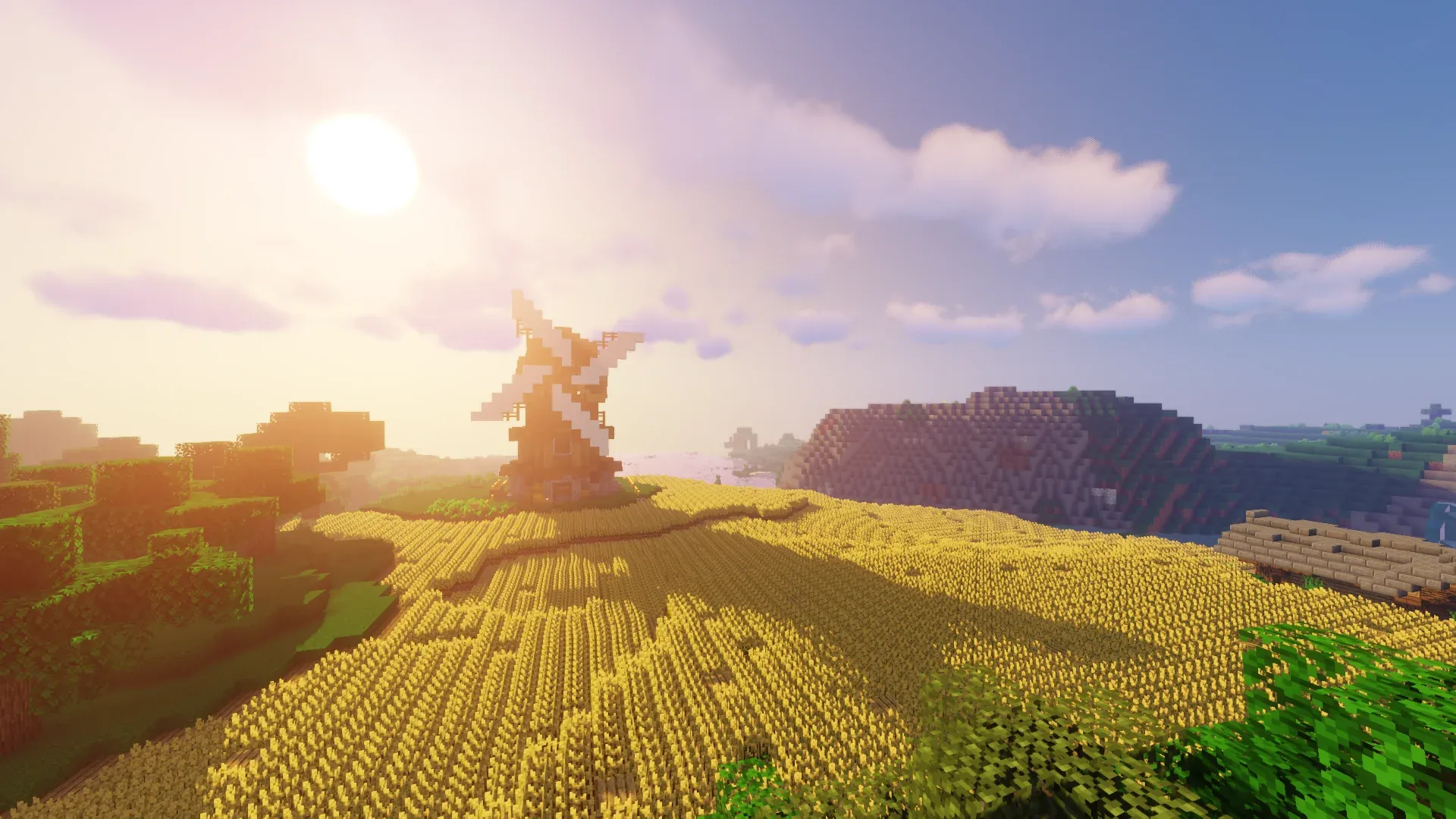
Wheat Farm
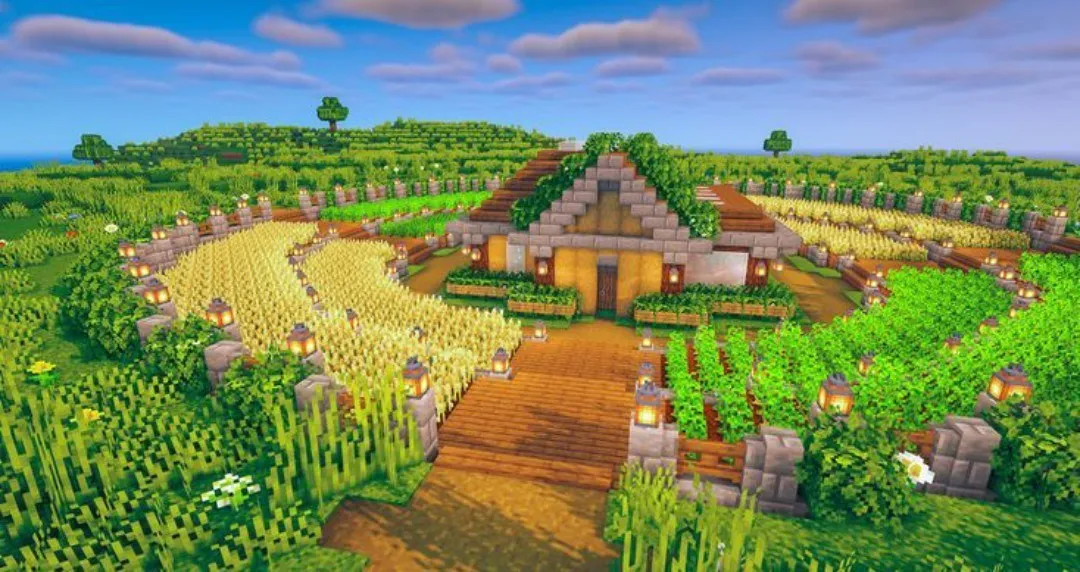
For most players, a wheat farm is the first farm they'll ever build and for good reason.
Seeds are easy to obtain by breaking grass, and wheat grows using only water and light. Within a short time, you'll have a reliable source of food that can support you throughout the early game.
A wheat farm is valuable because it does much more than produce bread.
Wheat is also used to:
Breed cows and sheep
Feed animals
Trade with farmer villagers
Prepare for larger livestock farms
Even after you've unlocked better food sources, wheat continues to be useful because of its connection to villager trading and animal breeding.
Start with a small field and expand it whenever you have extra seeds.
Animal Farm
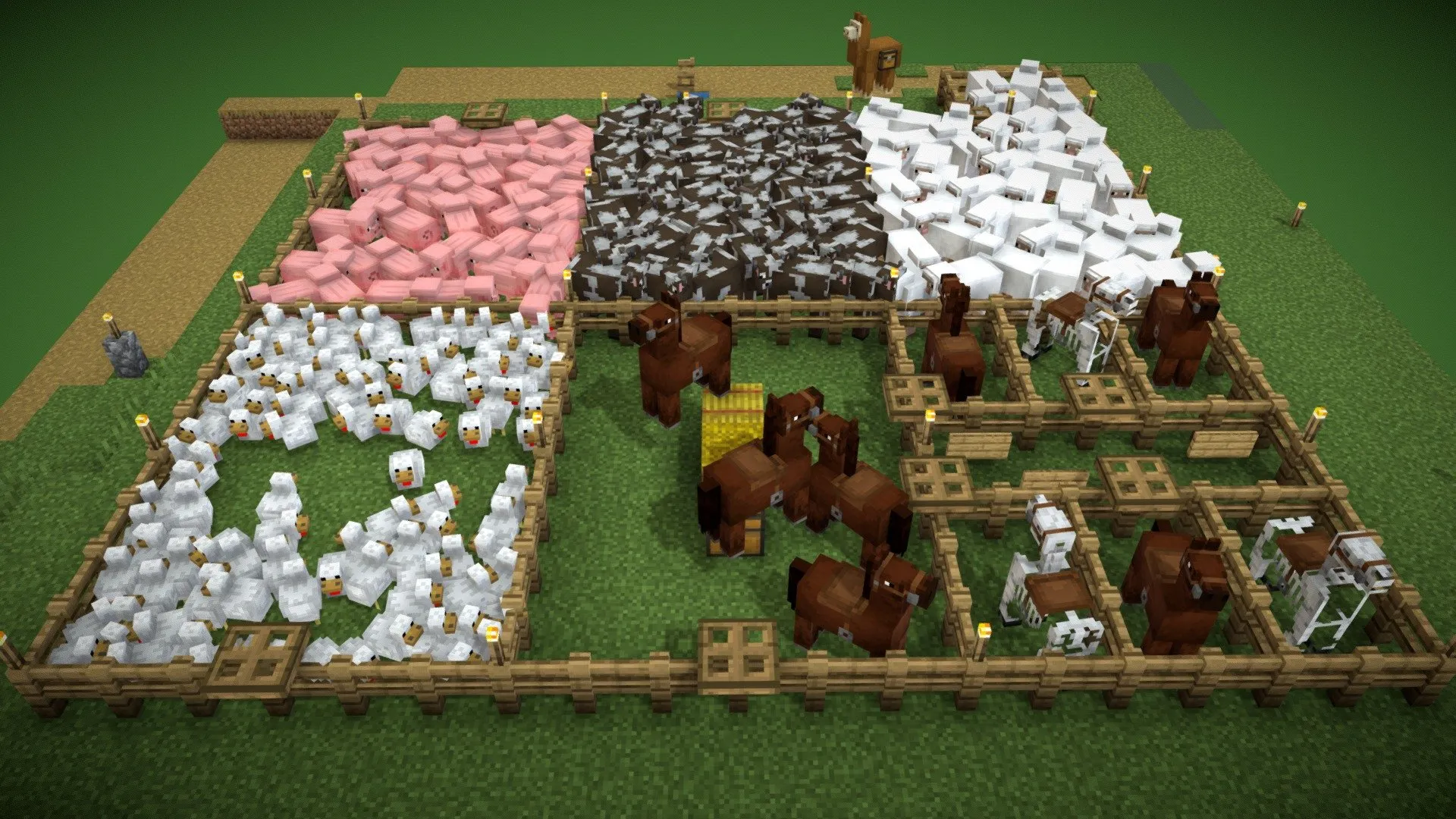
Once your food supply is stable, your next priority should be building an animal farm.
Keeping livestock close to your base provides a renewable source of valuable resources that you'll continue using throughout the entire game.
Some of the best animals to keep include:
Cows for beef and leather
Sheep for wool
Chickens for feathers and eggs
Pigs for pork
Among these, cows are arguably the most important.
Leather is required to craft books, and books become essential once you begin enchanting your equipment. Instead of searching for cows every time you need leather, a dedicated animal farm guarantees a steady supply whenever you need it.
Building fenced pens with nearby crop storage also makes breeding much faster.
Sugar Cane Farm
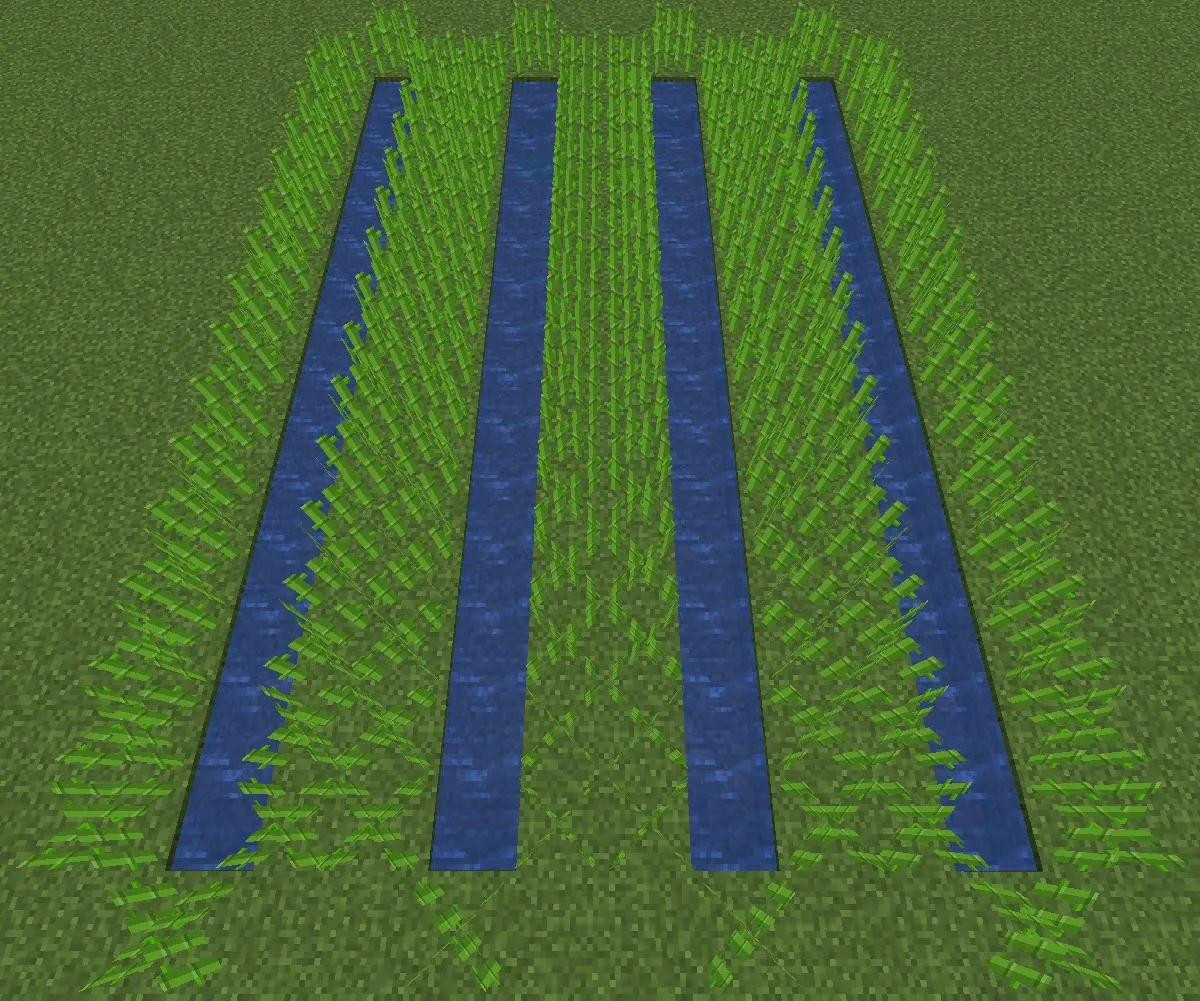
Sugar cane might not seem exciting at first, but it's one of the most important renewable resources in Minecraft.
Paper is crafted from sugar cane, and paper is required to make books, maps, and several other useful items.
As your world progresses, books become increasingly valuable because they're used to create bookshelves for enchanting tables.
A basic sugar cane farm is incredibly easy to build.
Simply plant sugar cane next to water and allow it to grow naturally.
Later, once you've unlocked Redstone components like observers and pistons, you can upgrade it into a fully automatic farm that harvests itself.
It's one of the easiest farms to automate and one of the most rewarding.
Tree Farm
Wood is used in almost every stage of Minecraft.
Whether you're crafting tools, building houses, making chests, or creating Redstone machines, you'll constantly need logs.
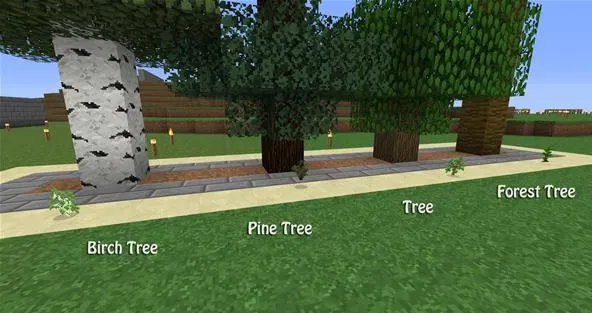
Instead of wandering through forests every time you run out of wood, create a dedicated tree farm near your base.
Planting several saplings together allows you to harvest large amounts of wood quickly while ensuring new trees are always growing.
Tree farms become especially valuable during large building projects, where thousands of blocks may be needed.
Although automatic tree farms exist, even a simple manual tree farm saves an incredible amount of time compared to gathering wood from random forests.
Bamboo Farm
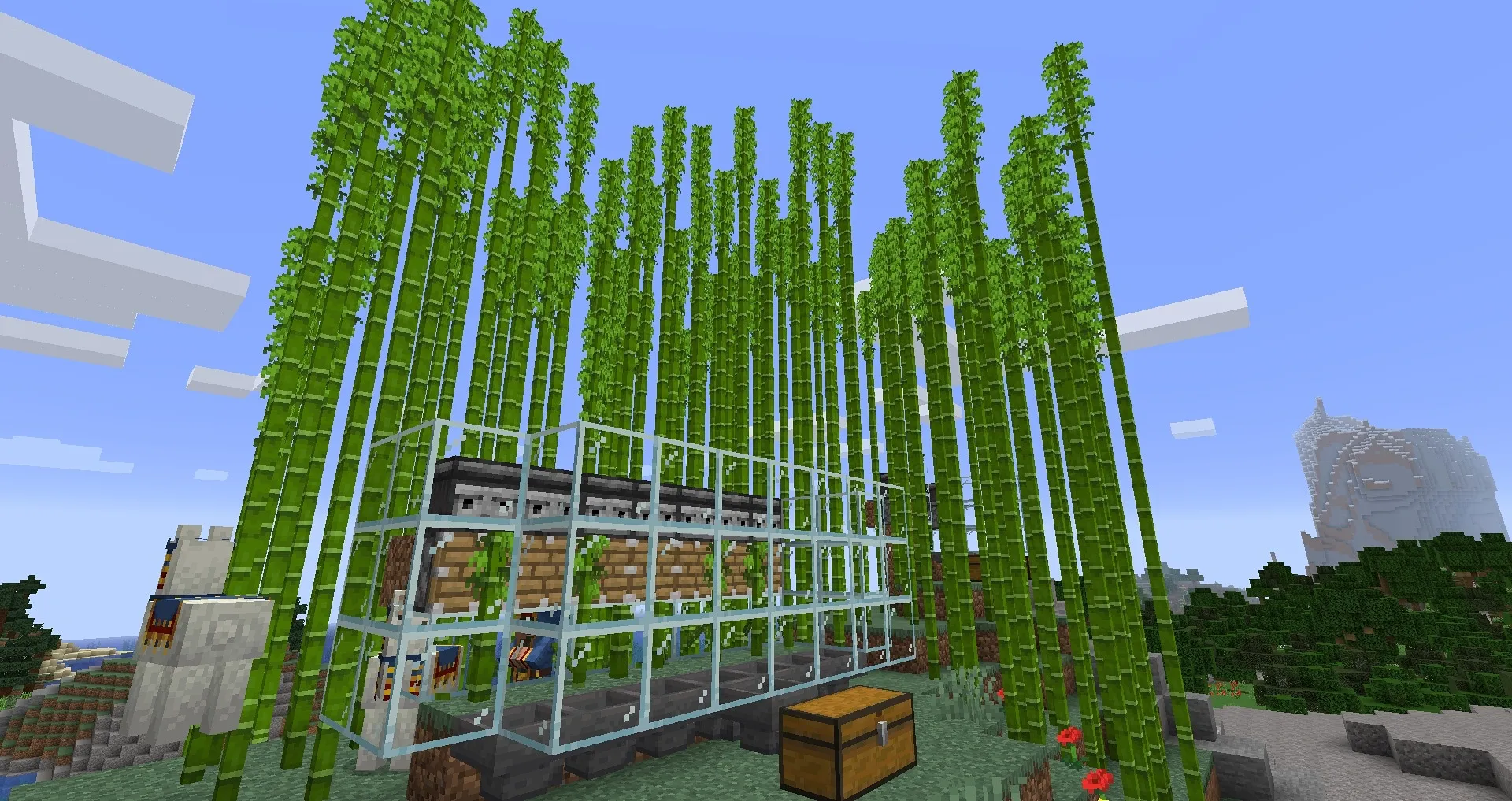
Bamboo grows extremely quickly and has become much more useful over recent Minecraft updates.
Besides serving as an excellent fuel source for furnaces, bamboo is also used to craft scaffolding, making large building projects significantly easier.
A small bamboo farm requires almost no maintenance.
Once planted, bamboo grows rapidly and can be harvested repeatedly.
Later in the game, it's also one of the easiest crops to automate using observers and pistons, allowing you to produce large quantities without manual harvesting.
For players who enjoy building, bamboo quickly becomes one of the most valuable renewable resources in the game.
Iron Farm
Few farms have a bigger impact on your Survival world than an iron farm.
Mining iron manually works during the early game, but eventually your demand for iron becomes enormous.
Iron is used to craft:
Tools
Armor
Shields
Buckets
Hoppers
Rails
Minecarts
Anvils
Redstone components
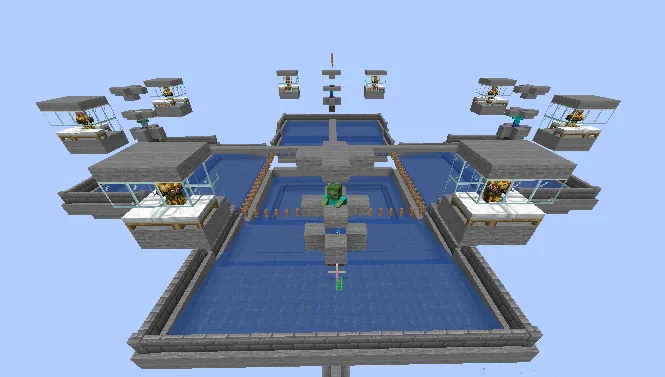
Instead of spending hours underground searching for ore, an iron farm generates iron automatically using villagers and Iron Golems.
Although building one requires more preparation than a wheat or sugar cane farm, the investment pays for itself very quickly.
Many experienced Minecraft players consider the iron farm the single most valuable farm in the game because of how frequently iron is used.
Mob Farm
Once you've established a reliable supply of food and basic materials, it's time to think about resources that are harder to collect manually. This is where a mob farm becomes one of the most useful projects in your Survival world.
A mob farm automatically spawns and eliminates hostile mobs, allowing you to collect their drops with very little effort.
Some of the most valuable drops include:
Gunpowder
Bones
String
Arrows
Rotten Flesh
Spider Eyes
Each of these resources has important uses. Bones can be turned into Bone Meal to speed up crop growth, gunpowder is required for TNT and Firework Rockets, and string is used for fishing rods, bows, and wool crafting.
Even a simple mob farm can produce hundreds of useful items every hour, making it one of the best long term investments for any Survival world.
XP Farm
Experience levels become increasingly important as you begin enchanting your equipment.
Without a reliable source of XP, repairing gear, combining enchanted books, and upgrading your favorite tools becomes much slower.
An XP farm solves this problem by providing a steady flow of experience whenever you need it.
There are several popular options depending on your progress:
Mob Spawner Farms
General Mob Farms
Gold Farms
Guardian Farms
Enderman Farms
Early in the game, a simple spawner farm found inside a dungeon is more than enough for enchanting your first tools and armor.
Later, Enderman farms become one of the fastest XP sources in the game, allowing players to repair equipment with Mending in just a few minutes.
If you plan to use enchanted Netherite gear regularly, an XP farm quickly becomes essential.
Villager Crop Farm
Villagers are among the most useful mobs in Minecraft, and they can also help automate food production.
Farmer villagers automatically harvest mature crops and replant them, creating an efficient renewable food source.
These farms work especially well with:
Wheat
Carrots
Potatoes
Beetroot
Besides producing food, villager farms fit perfectly alongside trading halls.
Once you've established a trading system, extra crops can be exchanged for emeralds, giving you access to enchanted books, diamond equipment, and many other valuable items.
Although villager farms require more planning than basic crop farms, they're well worth building as your world becomes more advanced.
Honey Farm
Honey farms aren't usually the first project players think about, but they're surprisingly useful.
Beehives produce both Honey Bottles and Honeycomb, each with its own practical uses.
Honey Bottles restore hunger and remove poison, while Honeycomb is needed to craft candles, decorative blocks, and wax copper to prevent oxidation.
Building a honey farm is relatively simple once you've located a bee nest.
Using campfires beneath the hive allows you to harvest honey safely without provoking the bees.
It's not the highest priority farm in the game, but it's an excellent addition once your basic resource farms are complete.
Choosing the Right Farm for Your Playstyle
Every Minecraft player enjoys the game differently, which means your farming priorities should match the way you play.
If you spend most of your time building large structures, focus on farms that provide construction materials. Tree farms, bamboo farms, and iron farms will supply the blocks and resources needed for massive projects without constant resource gathering.
Players who enjoy exploring caves and dangerous structures should prioritize food farms and XP farms. Reliable food keeps long expeditions going, while experience allows you to maintain powerful enchanted gear.
If trading with villagers is your favorite activity, crop farms and sugar cane farms become much more valuable. These resources generate emeralds quickly and unlock some of the best items available through villager trades.
Rather than building every farm immediately, choose the ones that support your favorite activities. You'll progress faster and enjoy the game more by solving the resource problems that affect your own playstyle.
Common Mistakes When Building Farms
Building a farm is only the first step. Poor planning can make even the best farm much less effective.
One common mistake is making farms much larger than necessary. Many beginners spend hours building enormous crop fields when a smaller farm would already produce more than enough food.
Another mistake is forgetting about storage. Automatic farms generate resources continuously, so always place enough chests nearby to prevent valuable items from despawning.
Lighting is another area that's often overlooked. Poorly lit farms allow hostile mobs to spawn, making harvesting more dangerous than it needs to be. Placing torches or other light sources around your farming area keeps it safe while improving visibility.
Finally, don't build farms too far from your main base unless they're designed to work from a distance. Keeping frequently used farms nearby saves time and makes your Survival world feel much more organized.
Expanding Your Farming System
Your farms should evolve as your world grows.
Many players begin with a small wheat field and a simple animal pen. Over time, these basic farms can become fully automated systems connected to organized storage rooms and villager trading halls.
Instead of replacing older farms, improve them gradually.
Add more storage.
Increase production.
Automate harvesting.
Improve transportation using water streams, hoppers, or minecarts.
Building this way keeps every upgrade meaningful while avoiding the overwhelming feeling of trying to automate everything at once.
Minecraft rewards gradual progression, and your farming system should grow alongside your world.
Conclusion
The best Minecraft farms aren't necessarily the biggest or most complicated they're the ones that solve your most important resource problems. Starting with simple wheat, animal, and sugar cane farms gives you a strong foundation for Survival Mode, while larger projects like iron farms, mob farms, and XP farms help eliminate hours of repetitive grinding later in the game.
As your world expands, continue improving your farms instead of replacing them. Small upgrades, better storage, and gradual automation will provide everything you need to build larger projects, explore dangerous dimensions, and prepare for the Ender Dragon. With the right farming system in place, you'll spend less time gathering resources and more time enjoying everything Minecraft has to offer.