
 League of Legends
League of Legends Roles Explained: Which Role Should You Play 2026
One of the first decisions every new League of Legends player faces is choosing a role. While it might seem like every champion simply fights the enemy team, League is built around five distinct roles, each with its own responsibilities, playstyle, and impact on the outcome of a match.
Picking the right role isn't just about choosing where you stand on the map. It influences the champions you'll learn, the mechanics you'll practice, and how you'll contribute to your team's success. Some roles reward aggressive dueling, while others focus on strategy, teamwork, or objective control. Understanding these differences early can make learning League of Legends much less overwhelming.
Every role also develops different skills. Top lane teaches patience and dueling, the jungle emphasizes map awareness and objective control, mid lane rewards quick decision making, ADC focuses on positioning and consistent damage, and support revolves around vision and enabling teammates. None of these roles is objectively "better" than the others they simply appeal to different types of players.
In this guide, we'll explain every role in League of Legends, explore the strengths and weaknesses of each position, and help you decide which role best matches your preferred playstyle.
Understanding the Five Roles
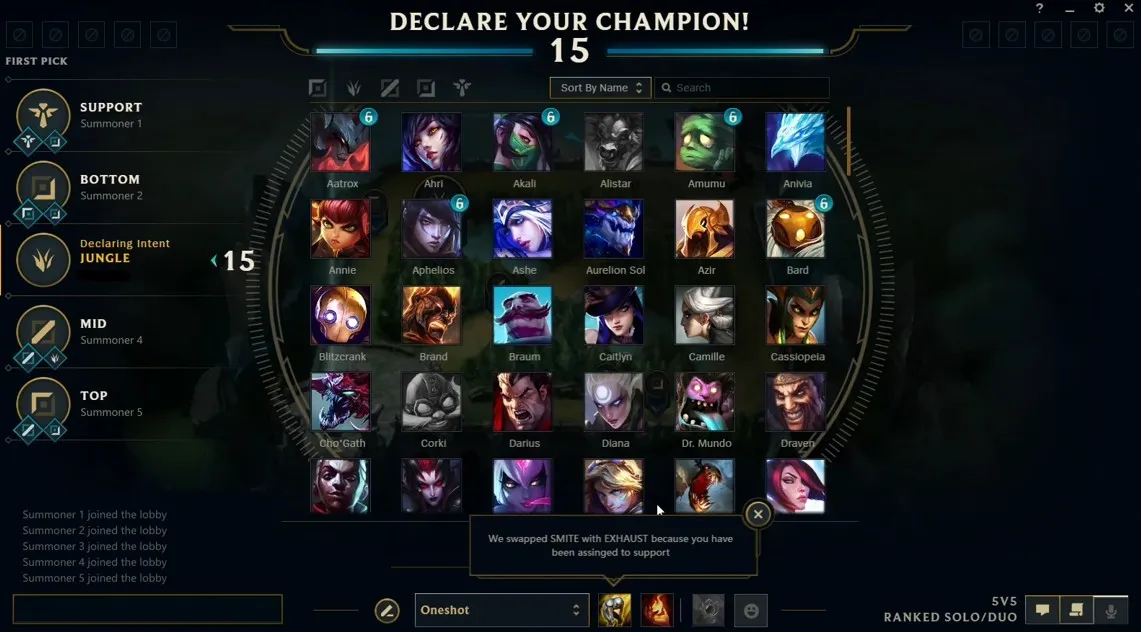
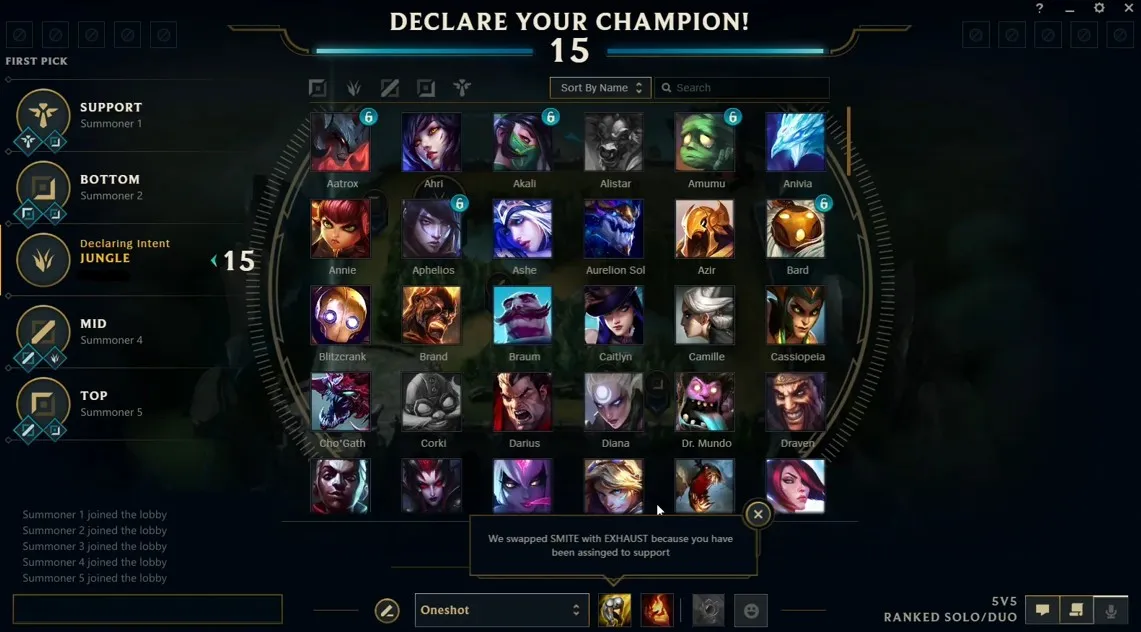
A standard League of Legends team consists of five players, with each player taking one of these positions:
Top Lane
Jungle
Mid Lane
ADC (Attack Damage Carry)
Support
Every role contributes differently throughout the match, and success comes from each player fulfilling their responsibilities rather than simply getting the most kills.
Top Lane
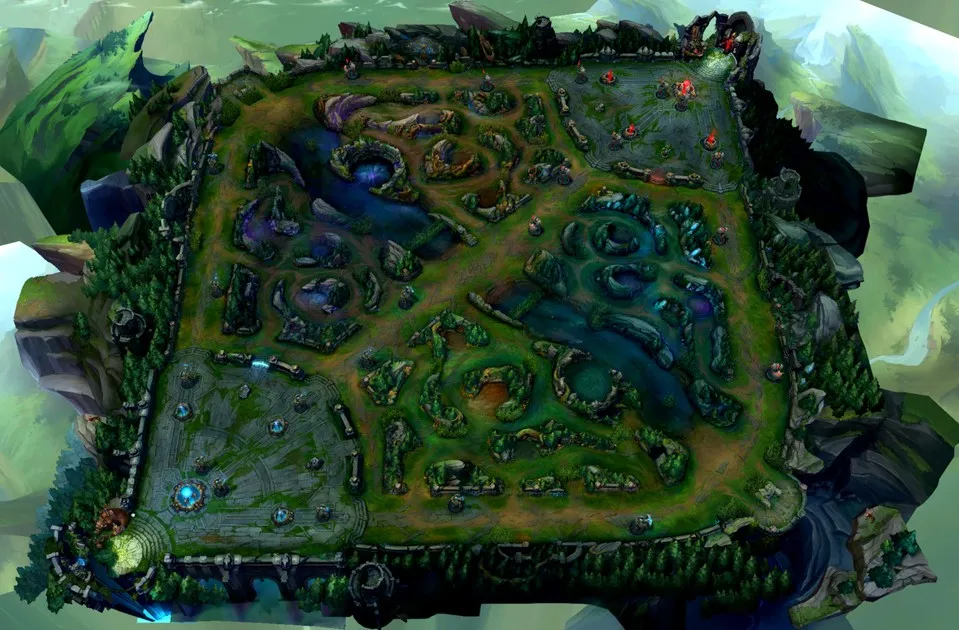
Top lane is often considered the most isolated role on Summoner's Rift.
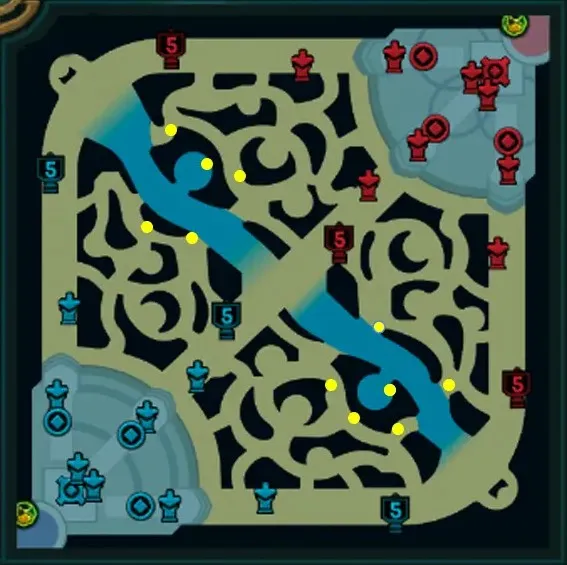
Located on the upper side of the map, top laners usually spend much of the early game in one on one fights against the opposing top laner.
Main Responsibilities
Farming minions efficiently.
Winning lane trades.
Applying pressure in side lanes.
Becoming a durable frontline or split pusher.
Helping with Rift Herald and Baron.
Advantages
High carry potential.
Strong duelists.
Excellent scaling champions.
Can dominate side lanes.
Challenges
Limited early assistance.
Small mistakes are heavily punished.
Requires matchup knowledge.
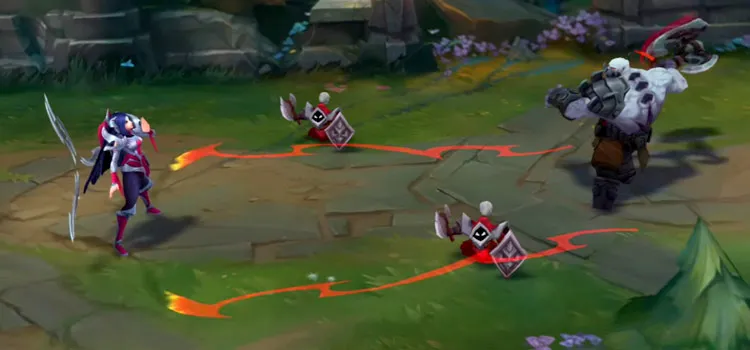
Top lane is ideal for players who enjoy independent gameplay and mastering individual champion matchups.
Jungle
Unlike every other role, junglers don't stay in a lane.
Instead, they defeat neutral monsters throughout the jungle while helping teammates through ganks and objective control.
Main Responsibilities
Clearing jungle camps.
Ganking lanes.
Securing Dragons.
Taking Rift Herald.
Controlling Baron Nashor.
Tracking the enemy jungler.
Advantages
Influences every lane.
Controls major objectives.
High map impact.
Flexible playstyle.
Challenges
High decision making pressure.
Requires strong map awareness.
Often blamed for losing lanes.
Constant objective tracking.
The jungle is perfect for players who enjoy strategy, planning, and influencing the entire map.
Mid Lane
Mid lane is located in the center of Summoner's Rift.
Because it's closest to every objective, mid laners often roam to help both side lanes while maintaining pressure in their own lane.
Main Responsibilities
Farming consistently.
Winning lane priority.
Roaming to other lanes.
Dealing burst or sustained damage.
Assisting with objectives.
Advantages
High carry potential.
Fast paced gameplay.
Strong roaming opportunities.
Influences both sides of the map.
Challenges
Constant pressure.
Vulnerable to jungle ganks.
Requires excellent mechanics.
Mid lane is ideal for players who enjoy making plays and carrying games through mechanical skill.
ADC (Attack Damage Carry)
The ADC plays in the bottom lane alongside the Support.
Their primary job is dealing consistent damage throughout team fights while farming enough gold to reach powerful late game item spikes.
Main Responsibilities
Farming minions.
Positioning safely.
Dealing sustained damage.
Destroying objectives.
Staying alive during team fights.
Advantages
Extremely high late game damage.
Strong objective control.
Excellent scaling.
Challenges
Fragile champions.
Heavy reliance on positioning.
Vulnerable to assassins.
ADC suits players who enjoy precision, mechanics, and carrying fights through consistent damage output.Which Role Is Best for Beginners?
If you're just starting your League of Legends journey, choosing the right role can make learning the game much easier. While every role has its own strengths, some positions are more forgiving and allow you to focus on the game's fundamentals before dealing with more advanced mechanics.
Support
Support is widely considered the most beginner friendly role in League of Legends. Instead of focusing heavily on farming minions, you'll spend your time protecting teammates, placing wards, and helping your team secure objectives. This role teaches map awareness, positioning, and teamwork, making it an excellent starting point for new players.
Top Lane
Top lane is another great choice for beginners because it often revolves around one on one matchups. You'll spend much of the early game learning how to farm, trade with your opponent, and understand champion strengths and weaknesses. While mistakes can be punished, the slower pace compared to other roles makes it easier to improve over time.
ADC
ADC is rewarding but requires patience. Your primary goal is to farm efficiently, position safely, and deal consistent damage during team fights. Because ADC champions are usually fragile, new players may struggle at first, but mastering this role can make you one of the most impactful members of your team.
Mid Lane
Mid lane offers incredible carry potential and influences every part of the map. However, it also demands strong mechanics, quick decision making, and excellent map awareness. New players can certainly learn the role, but it often feels more challenging because you're expected to manage your lane while helping teammates through roams.
Jungle
Jungle has one of the highest learning curves in League of Legends. A jungler must clear camps efficiently, secure objectives like Dragons and Baron Nashor, help teammates with ganks, and track the enemy jungler's movements. Because of these responsibilities, most new players benefit from learning another role before transitioning into the jungle.
How to Choose the Right Role for Your Playstyle
The best role isn't necessarily the strongest one it's the role that matches how you enjoy playing the game.
Choose Top Lane If...
You enjoy independent gameplay, one on one duels, and becoming a powerful frontline fighter or split pusher. Top lane rewards patience, matchup knowledge, and smart decision making.
Choose Jungle If...
You like making strategic decisions and influencing the entire map. Jungle is perfect for players who enjoy helping teammates, controlling objectives, and creating opportunities through smart rotations.
Choose Mid Lane If...
You want to make flashy plays, roam around the map, and carry games through mechanical skill. Mid lane suits players who enjoy high impact champions and fast paced action.
Choose ADC If...
You enjoy dealing massive damage during team fights and carefully positioning yourself to survive. ADC rewards precision, consistency, and excellent farming.
Choose Support If...
You prefer teamwork over individual glory. Support players protect allies, provide vision, initiate fights, and help their teammates succeed. If you enjoy enabling others rather than chasing kills, Support may be the perfect fit.
Should You Main One Role or Multiple?
When learning League of Legends, focusing on one primary role is usually the fastest way to improve. Playing the same role repeatedly helps you understand champion matchups, lane mechanics, and decision making much more quickly than constantly switching positions.
Once you're comfortable with your main role, it's a good idea to learn a secondary role. This gives you flexibility during matchmaking if your preferred role isn't available. However, trying to master all five roles at the same time often slows your progress and makes improvement more difficult.
Common Mistakes in Every Role
Regardless of which position you choose, avoiding common mistakes will help you improve much faster.
Top Lane
Many top laners fight too aggressively without understanding champion matchups or wave management. Overextending without vision and chasing kills unnecessarily often leads to avoidable deaths.
Jungle
New junglers sometimes spend too much time farming camps while ignoring opportunities to help teammates. Others force impossible ganks or forget to prioritize major objectives like Dragons and Rift Herald.
Mid Lane
Mid laners often stay in lane for too long and miss opportunities to roam. Pushing waves without vision and ignoring objective timers are also common mistakes.
ADC
Poor positioning is one of the biggest reasons ADC players get eliminated early in team fights. Missing minion farm, chasing kills, and standing too close to enemy threats can quickly put your team at a disadvantage.
Support
Support players sometimes forget to place wards consistently or neglect vision control around important objectives. Many also remain in the bottom lane for too long instead of roaming to assist other teammates when opportunities arise.
Can You Switch Roles Later?
Absolutely.
Many experienced League of Legends players eventually change roles after discovering different champions or playstyles they enjoy more. Some begin as Support players before moving into Jungle, while others start in Top Lane and later transition to Mid or ADC.
Changing roles is a normal part of learning the game, and understanding multiple positions can make you a better overall player. Even if you specialize in one role, knowing how the others work improves your teamwork and decision making.
Support
Support players focus on enabling the rest of the team rather than dealing the most damage.
Although often underestimated, support is one of the most influential roles in League of Legends.
Main Responsibilities
Protecting teammates.
Providing vision.
Controlling objectives with wards.
Initiating fights.
Peeling for carries.
Roaming to assist other lanes.
Advantages
Doesn't rely heavily on farming.
High map influence.
Strong team impact.
Easier champion pool for beginners.
Challenges
Lower personal damage.
Relies on teamwork.
Requires excellent game knowledge.
Support is an excellent starting role for players who enjoy strategy, teamwork, and helping others succeed.
Conclusion
Understanding the five roles in League of Legends is one of the first steps toward becoming a better player. Each role offers a unique way to contribute to your team's success, whether you enjoy dominating one on one duels in the Top Lane, controlling objectives as a Jungler, carrying team fights as an ADC, or supporting your teammates through vision and utility. The best role is ultimately the one that matches your preferred playstyle and keeps the game enjoyable.
As you gain experience, don't be afraid to experiment with different positions and champions. Every role teaches valuable skills that improve your overall game knowledge, making you a stronger and more versatile player. Whether you're aiming to climb the ranked ladder or simply have fun with friends, mastering your chosen role is one of the most rewarding parts of League of Legends.