

 League of Legends
League of Legends Champion Classes Explained: Every Class & Playstyle 2026
One of the biggest mistakes new League of Legends players make is assuming that a champion's role and class are the same thing. While roles determine where a champion is typically played on Summoner's Rift, classes describe how that champion fights and contributes during the game.
For example, two champions can both play in the Top Lane but have completely different strengths. One may be a durable Tank built to absorb damage, while the other is a Fighter focused on winning extended duels. Likewise, Mid Lane is home to both burst heavy Assassins and long range Mages, each requiring different strategies and playstyles.
Understanding champion classes helps you choose champions that match the way you enjoy playing. It also makes champion select less confusing because you'll recognize what your team needs before the game even begins. A balanced team usually benefits from having a mix of damage, durability, crowd control, and utility rather than five champions trying to accomplish the same goal.
In this guide, we'll explain every champion class in League of Legends, highlight their strengths and weaknesses, and help you decide which class best fits your preferred playstyle.

What Are Champion Classes?
Champion classes are categories that group champions based on their combat style, strengths, and primary role during fights.
Unlike lane roles, champion classes remain consistent regardless of where a champion is played.
Champion classes help answer questions such as:
How does this champion deal damage?
Can this champion survive long fights?
Does this champion protect teammates?
Is this champion designed to engage or eliminate enemies?
What does this champion contribute during team fights?
Understanding these differences makes it much easier to choose champions that suit your preferred style.
Champion Roles vs Champion Classes
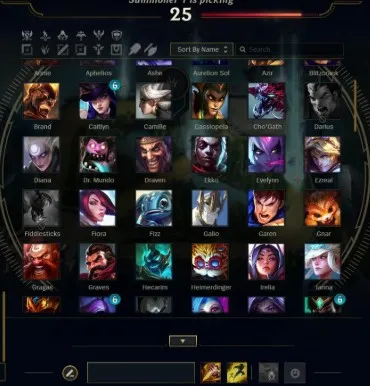
Although the terms are often used interchangeably, they describe different aspects of gameplay.
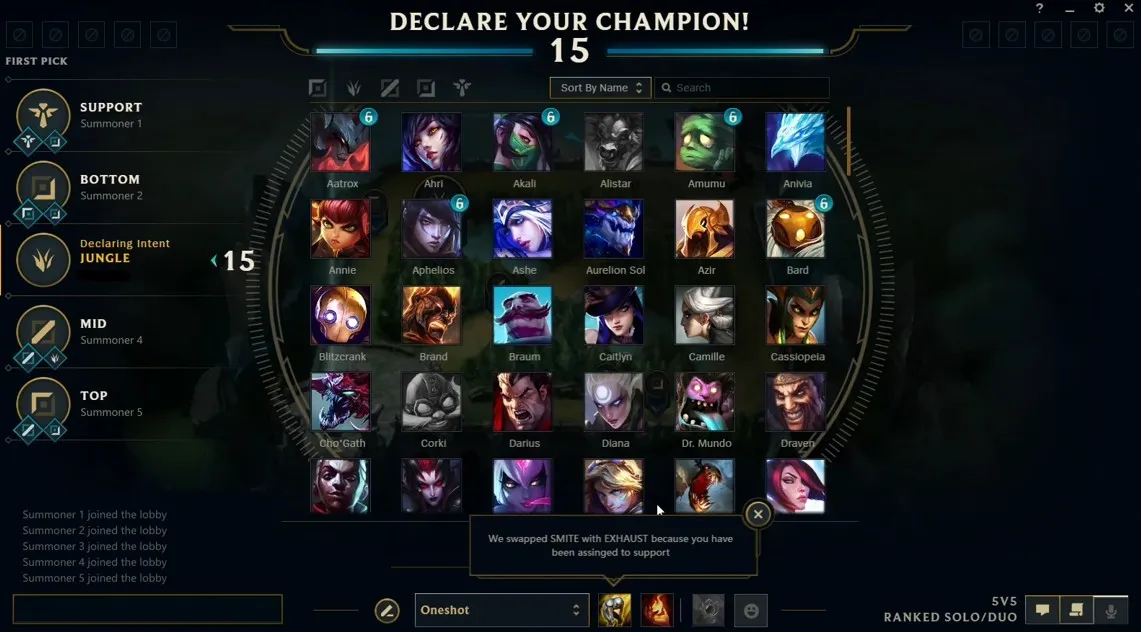
A role refers to the position you play on the map, such as Top Lane, Jungle, Mid Lane, ADC, or Support.
A class describes how your champion functions during combat.
For example:
A Tank can play Top Lane, Jungle, or Support.
A Mage is usually played Mid Lane but can also appear as a Support.
Marksmen are commonly seen in the Bottom Lane, but some can also be played Mid or Top.
Fighters appear most often in Top Lane and Jungle but occasionally succeed elsewhere.
Understanding both concepts helps you build stronger team compositions and adapt to different situations.
Tanks
Tanks are built to absorb damage and protect teammates during fights.
Rather than focusing on dealing massive damage, Tanks create space for their team by engaging enemies, controlling objectives, and disrupting opponents with crowd control.
Strengths
Extremely durable.
Strong crowd control.
Excellent frontline.
Reliable team fight presence.
Effective objective control.
Weaknesses
Lower damage output.
Can struggle alone.
Depend on teammates to finish fights.
Tank champions are perfect for players who enjoy leading team fights and protecting their allies.
Fighters
Fighters combine durability with consistent damage.
They excel in extended fights and are often among the strongest duelists in the game.
Strengths
Strong one on one combat.
Good sustain.
Flexible builds.
High side lane pressure.
Balanced offense and defense.
Weaknesses
Vulnerable to crowd control.
Require good positioning.
Can be kited by ranged champions.
Fighters reward players who enjoy aggressive gameplay without sacrificing survivability.
Assassins
Assassins specialize in eliminating high priority targets before escaping safely.
They rely on mobility, burst damage, and precise timing.
Strengths
Incredible burst damage.
High mobility.
Excellent roaming.
Strong snowball potential.
Weaknesses
Fragile.
Punished heavily for mistakes.
Less effective in long fights.
Assassins are ideal for players who enjoy fast decision making and high risk, high reward gameplay.
Mages
Mages use powerful abilities to control fights from a distance.
Some focus on burst damage, while others excel at sustained spell casting or crowd control.
Strengths
High magic damage.
Strong area of effect abilities.
Excellent wave clear.
Valuable crowd control.
Weaknesses
Limited mobility.
Often fragile.
Depend on ability accuracy.
Mages are popular among players who enjoy strategic positioning and powerful spell combinations.
Marksmen
Marksmen deal consistent physical damage from long range.
They become increasingly powerful as they acquire items and are often the primary source of sustained damage during the late game.
Strengths
Excellent scaling.
High sustained damage.
Strong objective control.
Reliable late game carry potential.
Weaknesses
Low durability.
Vulnerable to assassins.
Positioning is critical.
Players who enjoy precision and consistent damage often gravitate toward the Marksman class.
Controllers
Controllers focus on supporting teammates and controlling the pace of fights through crowd control, healing, shielding, or utility.
Rather than carrying through damage, they enable the rest of the team to succeed.
Strengths
Excellent utility.
Strong crowd control.
Team focused abilities.
Great vision control.
Reliable protection for allies.
Weaknesses
Lower personal damage.
Depend heavily on teamwork.
Less effective alone.
Controllers are an excellent choice for players who enjoy helping teammates rather than securing every kill themselves.
Specialists
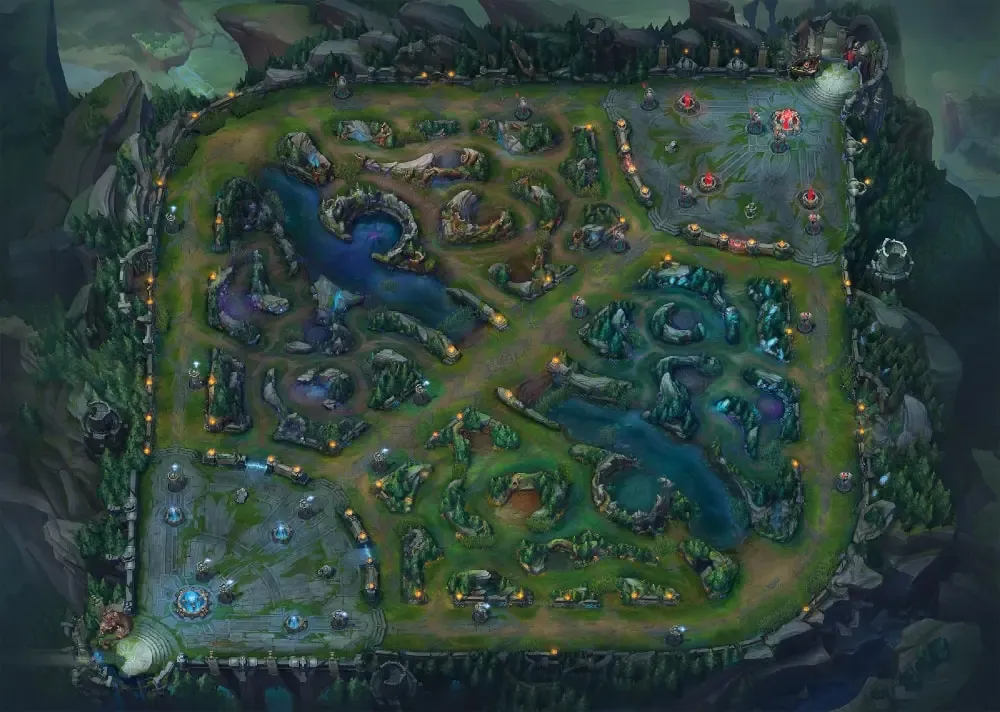
Some champions don't fit neatly into a single category.
These Specialists often have unique mechanics, unconventional playstyles, or highly specific strengths that set them apart from other classes.
They can be incredibly effective in the right hands but usually require more experience and game knowledge to use consistently.
Because of their unique designs, Specialists often reward creativity and adaptability more than traditional champion classes.
Which Champion Class Is Best for Beginners?
If you're just starting your League of Legends journey, some champion classes are much easier to learn than others. Simpler classes allow you to focus on core mechanics such as farming, positioning, map awareness, and objective control instead of mastering difficult combos or complex mechanics.
Generally, beginners have the easiest time learning:
Tanks
Tanks are forgiving because they have high durability and can survive mistakes that would instantly eliminate other champions.
They're great for learning:
Team fighting
Positioning
Objective control
Frontline responsibilities
Fighters
Many Fighters have straightforward abilities while still teaching important skills like trading, cooldown management, and split pushing.
They provide a good balance between offense and defense.
Mages
Certain Mages are beginner friendly because they have simple ability rotations and excellent wave clear.
They help players learn:
Ability accuracy
Mana management
Positioning
Team fight awareness
Marksmen
Marksmen can be rewarding but require excellent positioning.
They're recommended once you're comfortable with:
Farming consistently
Staying safe during fights
Understanding enemy threats
Assassins
Although exciting, Assassins are generally harder for new players.
Because they're fragile and rely on precise execution, mistakes are often heavily punished.
Many beginners improve faster by learning another class first before moving to Assassins.
Controllers
Controllers are excellent for players who enjoy helping teammates rather than carrying through raw damage.
However, they require strong game knowledge because good Supports make decisions based on vision, map awareness, and timing rather than mechanics alone.
How to Choose the Right Champion Class
There's no universally "best" champion class.
Instead, choose one that matches how you enjoy playing games.
Ask yourself:
Do you enjoy protecting teammates?
You'll probably enjoy Tanks or Controllers.
Do you like winning long fights?
Fighters are often the best choice.
Do you enjoy eliminating enemies quickly?
You'll likely prefer Assassins.
Do you enjoy casting powerful abilities?
Try Mages.
Do you like becoming stronger throughout the match?
Marksmen specialize in scaling into powerful late game carries.
Do you enjoy unique mechanics?
Specialists often provide the most creative gameplay experiences.
Can You Play Multiple Champion Classes?
Absolutely.
Many experienced players become comfortable with several different classes.
Having a diverse champion pool offers several advantages:
Greater flexibility during champion select.
Better team compositions.
Easier adaptation to meta changes.
Fewer problems when your favorite champion is banned.
However, beginners usually improve faster by mastering one class before expanding into others.
Learning the fundamentals on a small champion pool builds confidence and consistency.
Common Mistakes When Choosing a Champion Class
Many players unintentionally slow their improvement by choosing classes for the wrong reasons.
Following Tier Lists Blindly
The strongest class in the current meta isn't always the best choice for you.
Champion mastery is usually more valuable than constantly switching to whatever is considered strongest.
Picking Difficult Champions Too Early
Some champions require exceptional mechanics and game knowledge.
Learning easier champions first allows you to improve much faster.
Ignoring Team Composition
A balanced team often performs better than five champions with similar strengths.
Consider what your team already has before locking in your champion.
Constantly Switching Classes
Changing classes every few games makes improvement much slower.
Instead, spend time mastering one class before exploring others.
Copying Professional Players
Professional players compete in highly coordinated environments.
A champion or class that performs well in professional play may not be the best choice for solo queue.
Conclusion
Understanding champion classes is one of the best ways to improve your decision making in League of Legends. While roles determine where a champion is played, classes explain how that champion contributes during fights, whether by absorbing damage, eliminating priority targets, protecting teammates, or dealing sustained damage from a distance. Knowing these differences makes it easier to choose champions that fit both your preferred playstyle and your team's needs.
As you gain experience, don't be afraid to explore different classes and discover what you enjoy most. Whether you prefer leading the charge as a Tank, carrying team fights as a Marksman, controlling battles as a Mage, or outplaying opponents as an Assassin, mastering your chosen class will help you become a more confident and versatile League of Legends player.