 Grow a Garden 2
How to Play Grow a Garden 2: The Complete Beginner's Guide
If you just opened Grow a Garden 2 for the first time and felt a little lost, you're not alone. The sequel looks familiar at first glance. But it adds a redesigned map, a real day/night risk system, and mechanics that didn't exist in the original game. This guide walks you through everything from your first ten minutes to defending your garden at night. No guessing required.
What Is Grow a Garden 2?
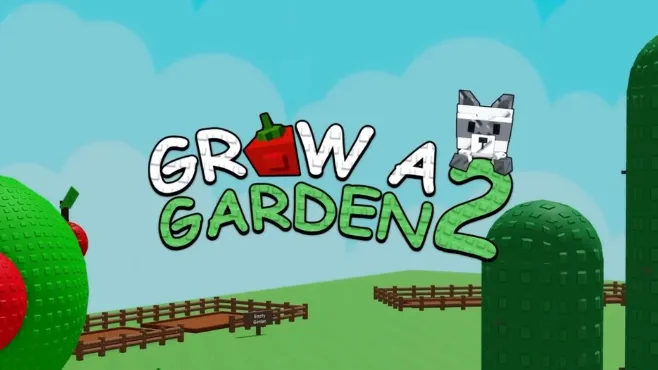
Grow a Garden 2 is the sequel to Grow a Garden, the Roblox farming game that pulled in over 20 million players at its peak. You plant seeds and grow crops. You sell them for in game currency called Sheckles. Then you use that currency to buy better seeds, pets, and gear.
The sequel keeps that core loop. But it rebuilds the map and adds one new twist: at night, other players can walk into your garden and steal your crops.
That single change is why most "how to play" content built for the original game doesn't apply anymore. It's also why a lot of guides published before June 12 (the actual launch date) got details wrong. This one is written and checked after launch, using current in game information.
Played the original Grow a Garden? Skip ahead to The Day/Night Cycle & Defending Your Garden that's the part that's genuinely new. The planting and selling loop will feel familiar, but stealing, the redesigned map, and moon events did not exist in the original game.
Getting Started: Your First 10 Minutes
When you load in for the first time, don't worry about doing everything at once. Here's the order that matters early on:
Claim your garden plot. You'll be assigned a small starting plot this is your home base for the rest of the game.
Buy your first seeds. Start with the cheapest, fastest growing crops available in the Seed Shop. You want quick turnover early, not big, slow growing crops.
Plant and wait. Crops grow in real time, so this is a good moment to explore the map a bit while you wait.
Sell your first harvest. Selling crops is how you earn Sheckles, your main currency for almost everything else in the game.
Reinvest, don't hoard. Put your early Sheckles back into more seeds rather than saving up for something expensive right away. Compounding small harvests early gets you to the good stuff faster than waiting.
The biggest first session mistake is buying one expensive seed too early and being stuck waiting a long time for your first real payout. Stick to fast, cheap crops until you have a comfortable cash buffer.
Understanding the New Map
The map in Grow a Garden 2 isn't just a visual refresh. It's been redesigned around a shared central hub, where players cross paths to trade, sell, and size each other up. Your garden plot sits on the outer ring, with the hub acting as the social and economic center of the server.
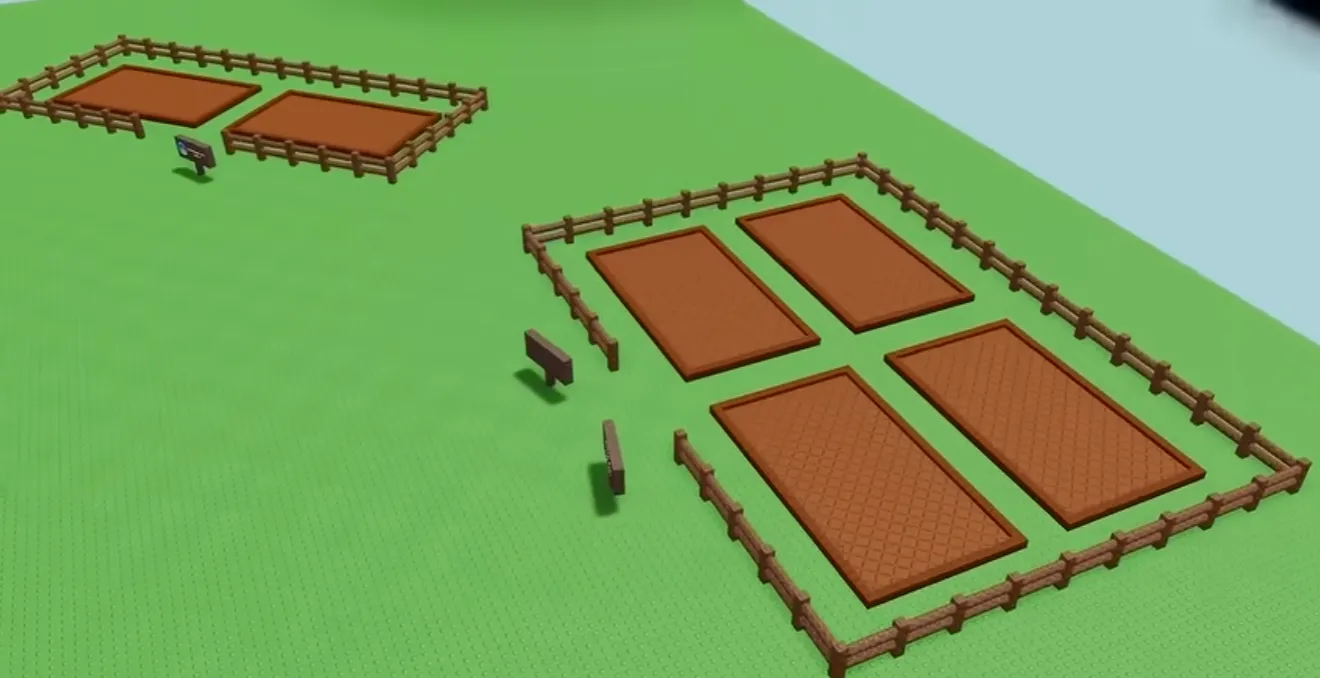
This matters for two reasons:
Plot location affects how often you get raided. Plots closer to the hub tend to see more foot traffic at night, because more players pass by them.
The hub is where real trading happens. If you want to swap crops, pets, or rare drops with other players, this is where you'll find people doing it.
Planting & Growing Basics
The core loop hasn't changed much from the original game, but a few things are worth knowing up front:
Crop value scales with rarity and mutation. Some crops can mutate into more valuable versions, which sell for more.
Selling in groups matters. Several sources confirm there's a bonus for selling with friends rather than solo, so playing with even one other person nets you more Sheckles per harvest than playing alone.
Watch the moon events. Occasional "Blood Moon," "Gold Moon," and "Rainbow Moon" nights apply special bonuses or rare seed spawns. These are random, but worth paying attention to once you're past the early grind, since they can speed up your progress.
The Day/Night Cycle & Defending Your Garden
This is the single biggest difference from the original game, and it's worth understanding well rather than skimming past it.
How it works: Each server cycles between a longer day phase and a short night phase. During the day, every garden is safe. Nobody can take anything from you. Once night falls, any unattended garden becomes fair game. Other players can walk in, grab a crop, and run it back to their own base.
The single most important rule: standing inside your own garden during the night locks it. You don't need to buy or build anything. Being present is the cheapest, most reliable defense in the game. If you're not planning to raid anyone yourself, the safest move is staying put when night falls.
If you'd rather not babysit your garden every night, you have a few real options:
Private servers. You can create a free private server directly from the game's server selection menu. No other players can join, so there's no one to steal from you. This is the only 100% guaranteed option.
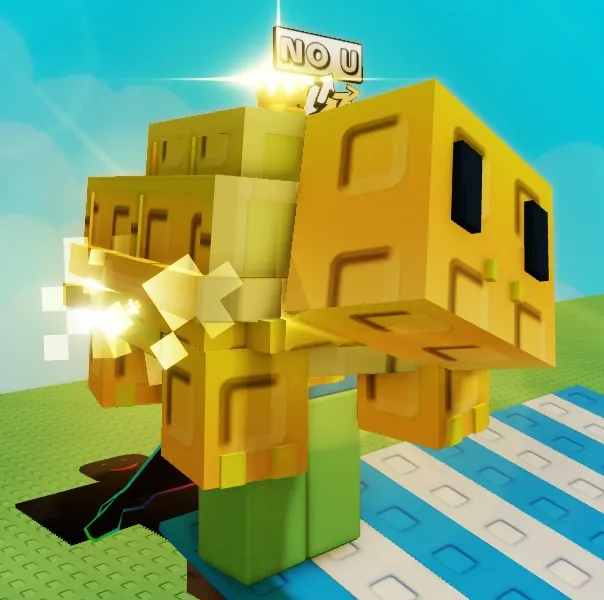
Defensive pets. Pets like the Bee patrol your garden and fend off intruders, even while you're away doing something else.
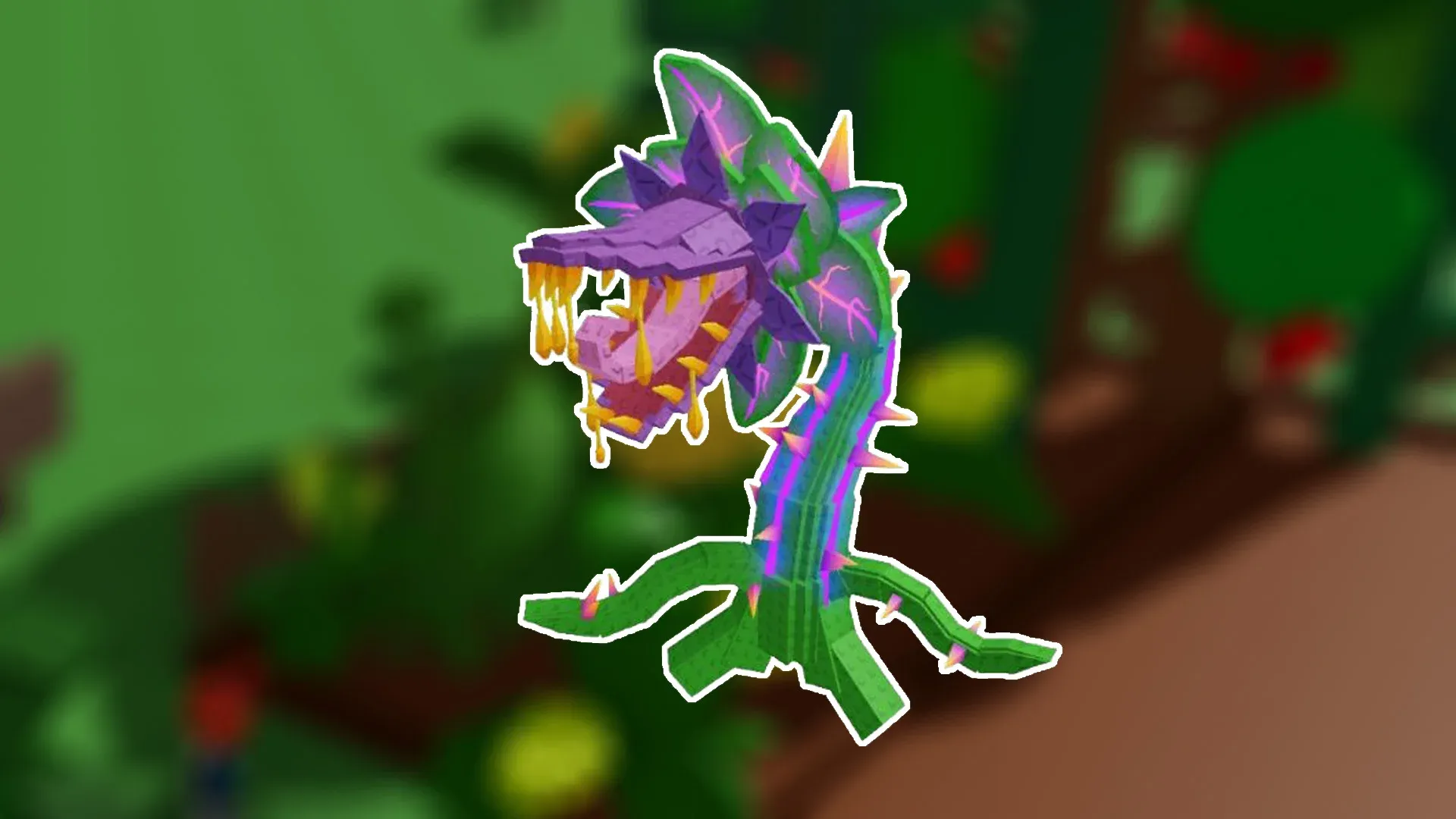
Defensive crops. Certain rare plants Venus Fly Trap, Dragon's Breath, Cactus damage or repel anyone who steps into your garden. Your layout becomes a defense on its own.
Layout matters. Keep your highest value crops toward the center of your plot. Surround them with defensive plants, traps, and props. That forces anyone trying to steal from you to get through your defenses first.
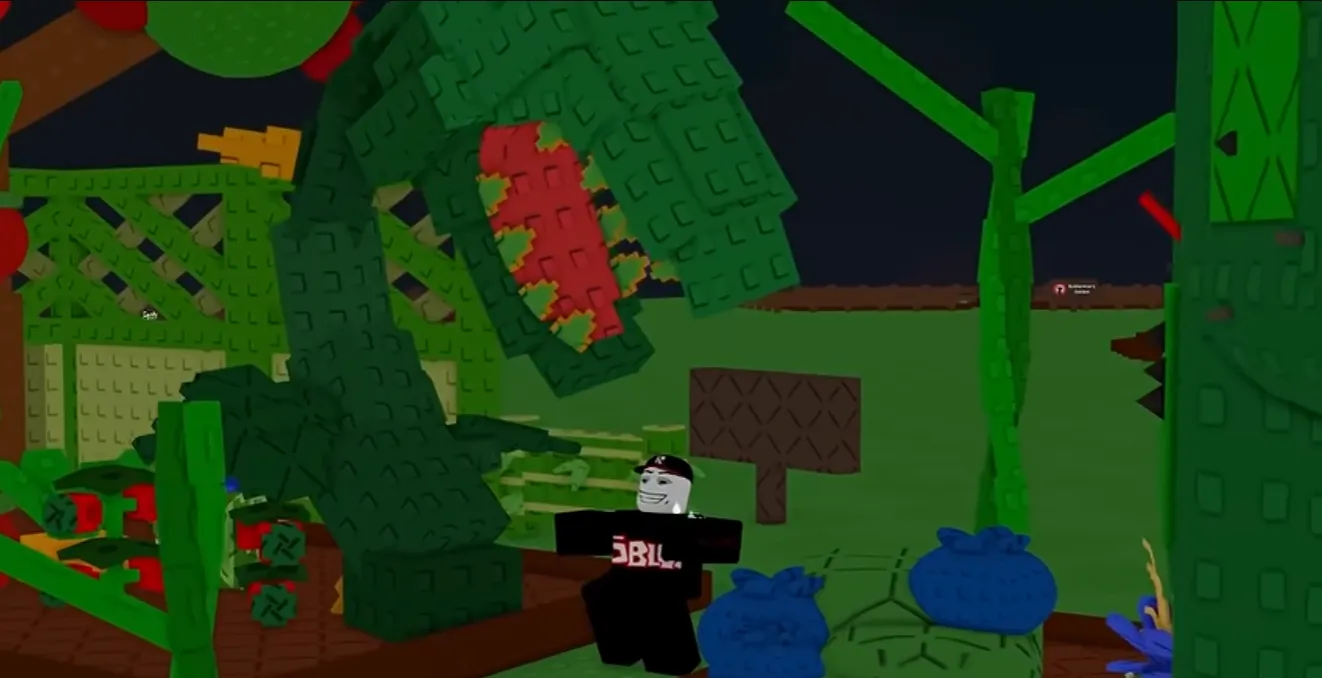
One more thing worth knowing: if someone does manage to steal from you, they can't teleport home with it. Stolen crops have to be carried back on foot, and fast travel is disabled while they're holding stolen goods. That gives you a real window to chase them down and recover what was taken if you catch them in time.
A quick note on accuracy: a few specific numbers, like the exact night phase length and certain item costs, are still being verified as the game gets patched. Treat precise figures with a little flexibility. The core mechanics described above, though, are confirmed across multiple post launch sources.
Pets: Do You Need Them Right Away?
Short answer: not immediately. Pets are useful, especially for passive nighttime defense, but they cost real Sheckles, and a new player's money is better spent on seeds early on. Once you've got a stable harvest cycle going and a small buffer of savings, a cheap defensive pet is a reasonable first purchase, mainly because it lets you leave your garden at night without worrying as much about losing crops.
There's no need to chase expensive, rare pets in your first few sessions. Most of what they offer (status, stronger defense, bigger bonuses) only becomes relevant once you've already built up a real economy to protect.
Common Beginner Mistakes to Avoid
Leaving your garden unattended right as night falls. This is the most common way new players lose their first big harvest. If you're not trying to raid someone else, just stay home.
Overspending on one expensive seed early. It feels exciting, but it slows your momentum more than it helps.
Ignoring the hub. New players often stay on their own plot the entire time and miss out on trading opportunities at the central hub.
Assuming daytime rules carry over to night. The two phases play by different rules. What's safe during the day isn't safe at night.
Planting defensive crops on your own walking path. Some defensive plants, like the Venus Fly Trap, don't tell you and an intruder apart if you walk too close. Place them carefully.
Final Tips
Grow a Garden 2 rewards patience early and caution at night more than it rewards rushing. Build a steady harvest rhythm first, get comfortable with the day/night risk before chasing rare pets or crops, and use the hub to learn what other players are trading for.
If you'd rather skip some of the early grind, whether that's topping up Robux to access gear sooner or picking up a gift card before you dive in, a marketplace can help with that directly, without changing how you play the game. Either way, the fundamentals above will get you through the parts of Grow a Garden 2 that trip up almost every new player.